
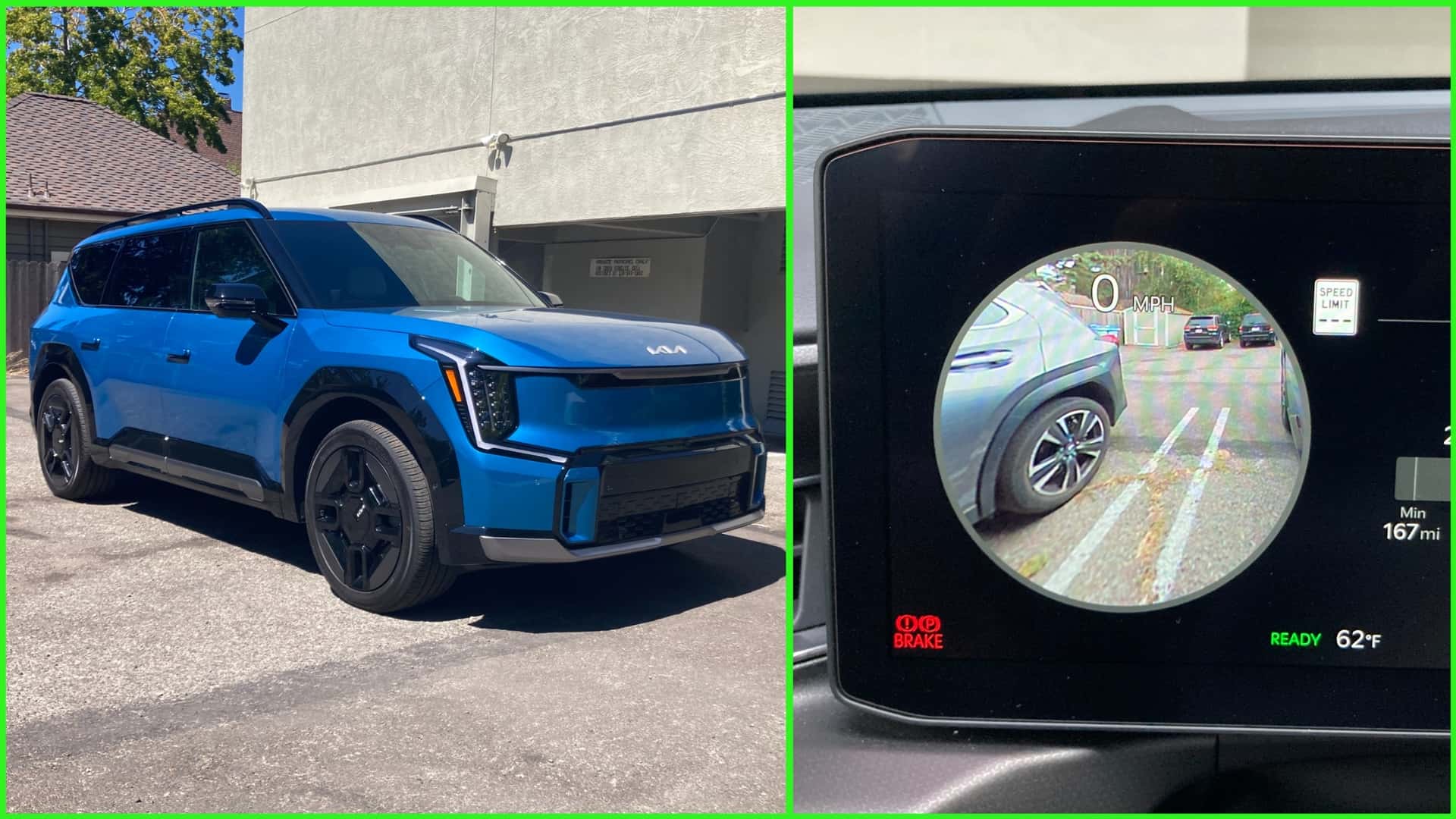
In the rapidly evolving automotive landscape, packed with complex new technologies like streaming services, subscriptions, and AI integration, the most impactful innovations often lie in their simplicity. A prime example of such a feature is the Blind-Spot View Monitor, currently offered by Kia, Hyundai, and Genesis. This sophisticated yet straightforward system provides drivers with an unprecedented view of their vehicle’s blind spots, prompting the question: why isn’t this on every new car?
A Simple Solution to a Common Problem
The Blind-Spot View Monitor, despite its somewhat uninspired name, is a testament to how advanced technology can enhance basic driving safety. The system operates by displaying a live video feed of the vehicle’s blind spot directly within the digital gauge cluster. When a driver activates the turn signal—left or right—the corresponding blind spot’s camera feed appears on the screen, offering a clear, real-time visualization of the area typically obscured from view.
This feature is particularly beneficial in modern vehicles, which are often larger than previous generations, leading to potentially larger blind spots. The Kia EV9, a recently reviewed model that features this technology, highlights its utility, especially in navigating busy urban environments or executing lane changes on highways.
Enhancing Safety Beyond Traditional Systems
While the adage of physically checking your surroundings remains crucial – with one online commenter humorously reminding users to use their “FREAKING NECK!” – the Blind-Spot View Monitor acts as a significant supplementary safety layer. It complements traditional blind-spot sensors by providing visual confirmation, a critical aid when driving in complex traffic situations, or when surrounded by vulnerable road users like pedestrians and cyclists.
The system’s integration into the driver’s line of sight within the instrument cluster is a key advantage. This placement ensures that drivers can quickly and easily access the information without diverting significant attention from the road ahead. This direct visual cue is invaluable for making more informed decisions during maneuvers.
Industry Adoption and Future Potential
The Hyundai Motor Group, encompassing Kia, Hyundai, and Genesis brands, has been a proponent of this technology. However, they are not the only ones. Tesla vehicles also feature a similar blind-spot camera system, though in their case, the feed typically appears on the central touchscreen. This difference in placement is noteworthy, especially in Tesla models that lack a traditional driver-facing instrument cluster.
Honda previously offered a feature called LaneWatch, which displayed a camera feed of the passenger-side blind spot when the turn signal was activated. However, this system was often a replacement for, rather than an addition to, standard blind-spot monitoring. Newer Honda models have since transitioned to more conventional blind-spot monitoring solutions.
More recently, Rivian has incorporated this capability into its SUVs and trucks through over-the-air software updates, demonstrating the feasibility of retrofitting such features. The broader implication is clear: any automaker equipped with the necessary camera hardware already installed in their vehicles should seriously consider implementing similar blind-spot visualization technology.
A Call for Universal Implementation
The core benefit of the Blind-Spot View Monitor lies in its ability to directly address a fundamental driving challenge: maintaining awareness of one’s surroundings. In an era where vehicles are continuously growing in size and sophistication, features that enhance visibility and safety without adding unnecessary complexity are paramount. The intuitive nature of this camera system makes it an indispensable tool for modern drivers.
As automotive technology continues to advance, the focus should not solely be on groundbreaking, complex systems, but also on refining and universally adopting features that offer tangible safety improvements. The Blind-Spot View Monitor stands out as a prime candidate for such widespread adoption, promising to make driving safer for everyone on the road. Manufacturers are urged to recognize its value and integrate it across their model lineups.