
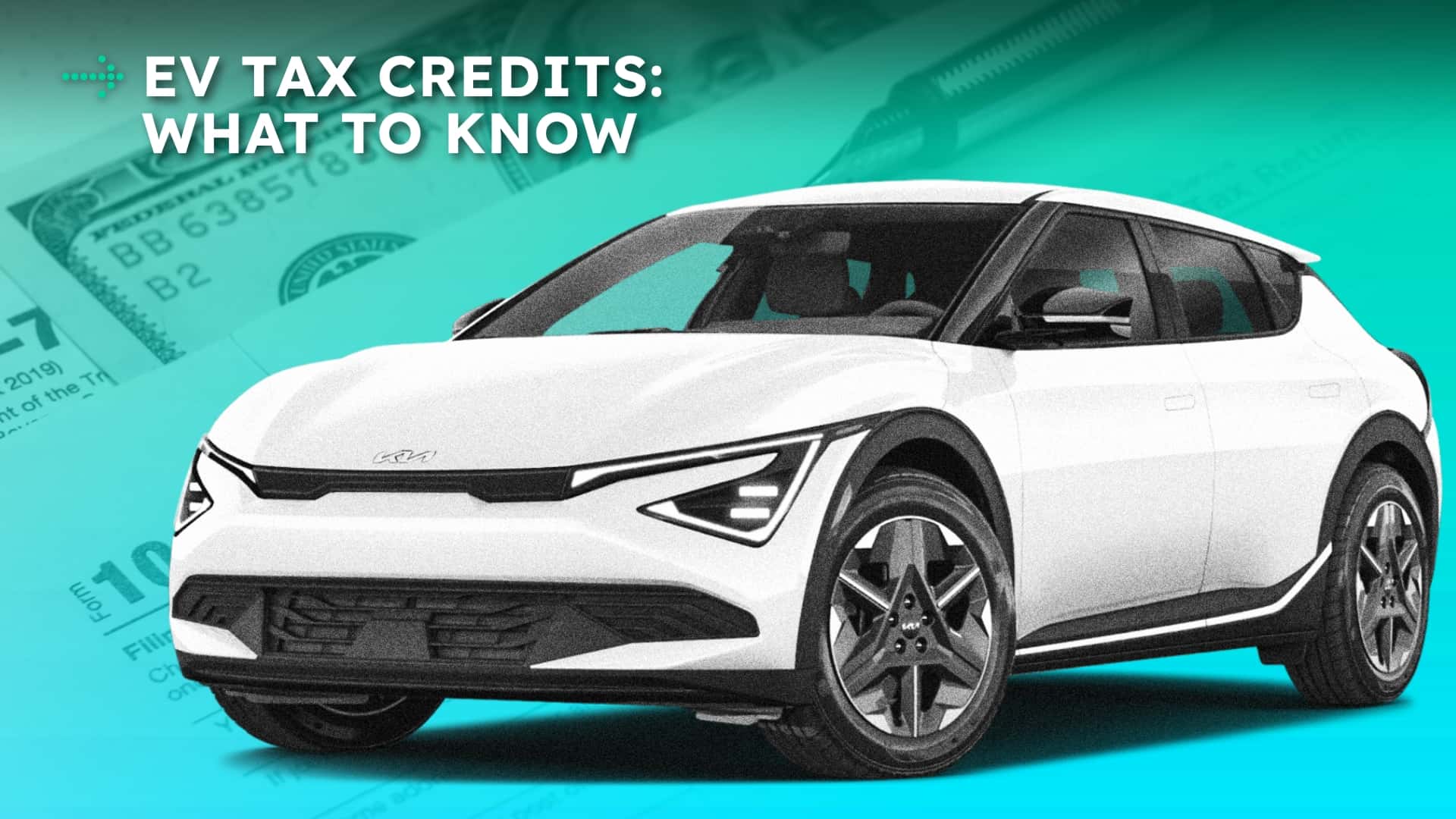
Potential electric vehicle (EV) buyers looking to leverage federal tax credits face a rapidly approaching deadline. The $7,500 federal EV tax credit, a significant incentive for purchasing cleaner transportation, is set to expire within months. President Donald Trump’s administration has indicated the program will conclude, making this summer the final opportunity for consumers to claim the financial benefit on eligible vehicles.
The Countdown to Credit Expiration
The current federal EV tax credit program, which was originally slated to extend through 2032 under the Inflation Reduction Act of 2022, will now cease to exist at the end of summer 2025. Specifically, the deadline for vehicles to be purchased and placed into service to qualify for the credit is September 30.

Experts advise that delaying a purchase could mean missing out on substantial savings. “You stand to benefit in no way, shape or form by waiting,” stated Ivan Drury, director of insights at Edmunds. He further elaborated, “If you’ve got any inkling that you have a future purchase on your hands, you might as well just do it now.” This sentiment underscores the urgency for consumers considering an EV purchase in the near future.
Understanding the Affected Tax Credits
The impending expiration encompasses all three primary federal EV tax credits. This includes:
- 30D: The credit for new EV purchases.
- 25E: The credit for used EV purchases.
- 45W: The credit applicable to commercial or leased EVs.
The September 30 deadline applies universally to all these policies, meaning the financial incentives for both new and used electric vehicles, as well as those obtained through leasing arrangements, will be discontinued.
Value of the EV Tax Credit
For qualifying new electric vehicles, the federal tax credit can provide a reduction of up to $7,500 on the purchase price. The credit for used plug-in vehicles is structured differently, covering 30% of the vehicle’s purchase price, with a maximum benefit of $4,000.
In the case of leased EVs, the leasing company is the entity that claims the $7,500 credit. This financial benefit is typically passed on to consumers in the form of a reduced monthly lease payment, making EVs more accessible through leasing programs.
Eligibility for the 2025 Federal EV Tax Credit
The criteria for vehicles to qualify for the new EV tax credit (30D) in 2025 are stringent, largely due to sourcing requirements focused on domestic production of vehicles, batteries, and raw materials. Additionally, Manufacturer’s Suggested Retail Price (MSRP) caps are in place: $80,000 for SUVs and trucks, and $55,000 for sedans.

Several popular EV models are expected to meet these requirements. Among the notable vehicles that could qualify are the Cadillac Optiq, Chevrolet Equinox EV, Hyundai Ioniq 9, Kia EV6, and Tesla Model Y. A comprehensive list provided by the IRS will offer the definitive guide to eligible vehicles.
The full list of EVs potentially qualifying for the tax credit in 2025 includes:
- Acura ZDX (2024-2025)
- Cadillac Lyriq (2024-2026)
- Cadillac Optiq (2025-2026)
- Cadillac Vistiq (2026)
- Chevrolet Blazer EV (2024-2026)
- Chevrolet Equinox EV (2024-2026)
- Chevrolet Silverado EV (2025-2026)
- Chrysler Pacifica PHEV (2024-2025)
- Ford F-150 Lightning (Flash trim, 2024-2025)
- Ford F-150 Lightning (Lariat trim, 2023-2025)
- Ford F-150 Lightning (XLT trim, 2023-2025)
- Genesis Electrified GV70 (2026)
- GMC Sierra EV (2026)
- Honda Prologue (2024-2025)
- Hyundai Ioniq 5 (2025)
- Hyundai Ioniq 9 (2026)
- Jeep Wagoneer S (2025)
- Kia EV6 (2025)
- Kia EV9 (2026)
- Tesla Cybertruck (2025)
- Tesla Model 3 (2025)
- Tesla Model X All-Wheel Drive (2025)
- Tesla Model Y Long Range All-Wheel Drive (2025-2026)
- Tesla Model Y Long Range Rear-Wheel Drive (2025-2026)
- Tesla Model Y Performance (2025)
It is important to note that for leased vehicles, the strict domestic sourcing requirements do not apply, potentially making a wider range of new EVs eligible for lease deals that benefit from the tax credit.
Used EVs and Income Limitations
For those considering the used EV market, the 25E credit offers an incentive for vehicles purchased for under $25,000 and that are at least three model years old. Examples of potentially eligible used EVs include the Chevrolet Bolt EV and Tesla Model 3, with older models like the BMW i3 plug-in hybrid or Tesla Model S also being possibilities.

Income Requirements for Tax Credits
Eligibility for the federal EV tax credits is also subject to income limitations for buyers. These limits can be based on either the current year’s or the previous year’s adjusted gross income.
For the new EV credit (30D), the income limits are:
- $300,000 for married couples filing jointly
- $225,000 for heads of households
- $150,000 for all other filers
For the used EV credit (25E), the income limits are lower:
- $150,000 for married couples filing jointly
- $112,500 for heads of households
- $75,000 for all other filers
How to Claim the EV Tax Credit
A significant change in how the EV tax credit is applied is its availability as an upfront rebate directly through the dealership. This contrasts with the previous system where the credit was claimed as a refund during tax season.
This immediate discount at the point of sale can make the often higher initial cost of an EV more manageable for consumers. To claim the credit, buyers must work with the dealership, which can verify the vehicle’s eligibility and record the transaction details. Buyers are responsible for confirming they meet the income requirements.
At the dealership, buyers can choose to transfer the credit to the dealer to receive the upfront discount or elect to claim it when filing their taxes. In either scenario, completing IRS Form 8936 at tax time is necessary.
For individuals who lease an EV, the process is streamlined as the credit is claimed by the leasing company. Buyers in this situation should focus on negotiating the best possible monthly payment, as the tax credit’s financial benefit is factored in by the leasing provider.