
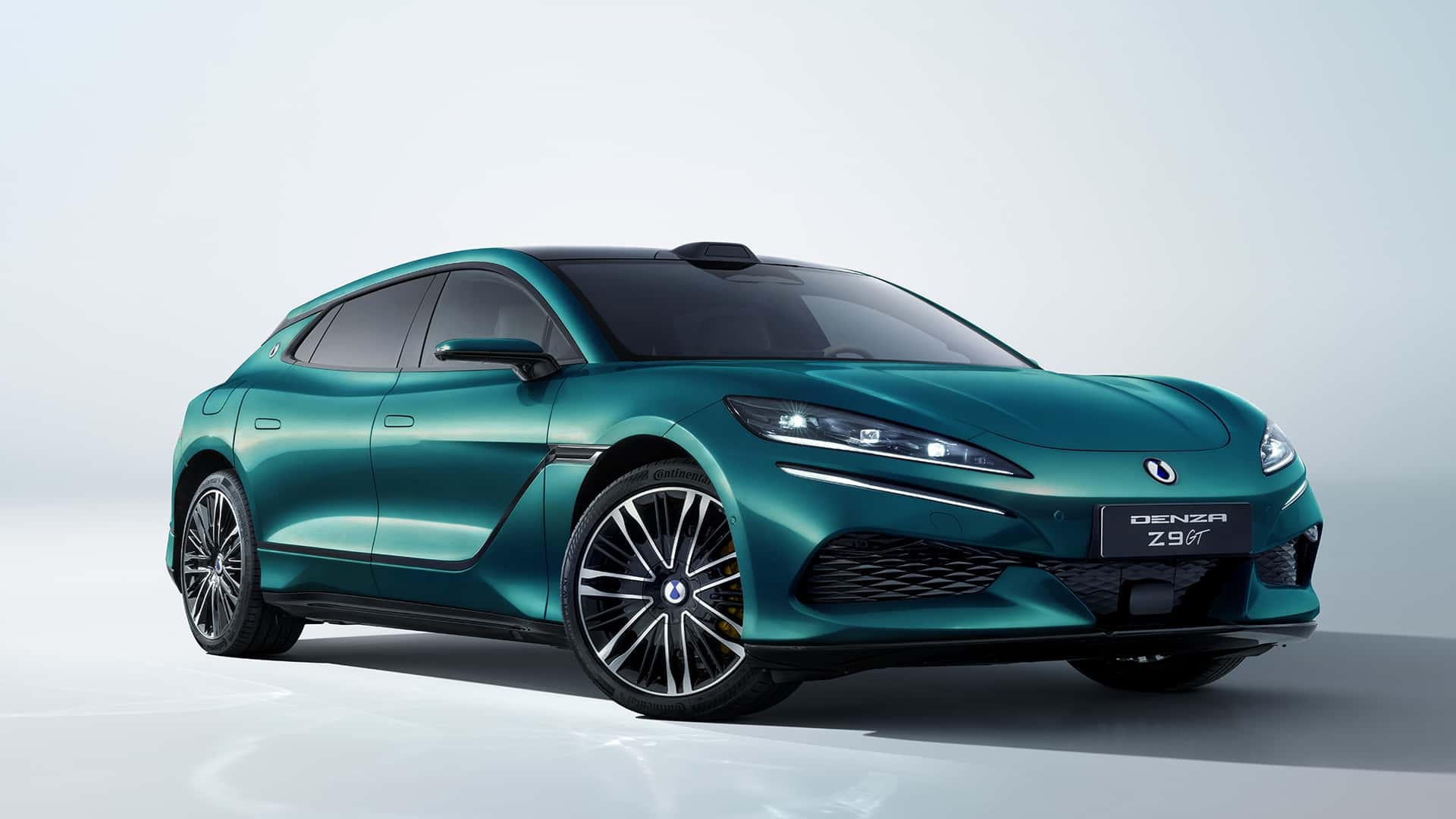
Chinese electric vehicle giant BYD remains resolute in its international expansion plans, projecting sales of 1.5 million vehicles outside of China by 2026. This ambitious target comes even as the company navigates a challenging period marked by declining profits and a shrinking market share within its home country.
Global Ambitions Amidst Domestic Headwinds
During a recent post-earnings briefing, BYD expressed strong confidence in achieving its 2026 overseas sales goal, an increase from its earlier projection. The automaker also indicated a long-term vision where international sales could eventually constitute approximately half of its total business.

This forward-looking strategy is being pursued at a time when BYD has reported a significant 38% drop in net income for the fourth quarter. Furthermore, the company experienced a 19% decline in profits for the entire year, marking its first annual profit decrease in four years. Factors contributing to this performance include heightened competition, subdued domestic demand, and aggressive pricing strategies in its primary market.
Export Growth as a Key Driver
Despite domestic pressures, BYD’s international sales have emerged as a notable success story. In the previous year, overseas sales more than doubled, reaching nearly 1.1 million vehicles and representing 22.7% of the company’s overall business. Early data from the first two months of the current year indicates that these exports have already captured around 50% of BYD’s business during that period.
Navigating the Complexities of Global Markets
Expanding its global footprint is not without its hurdles. BYD anticipates significant investments and strategic planning to overcome challenges such as dealership requirements, varying international regulations, tariffs, logistical complexities, and building consumer trust in new markets.
To support its expansion, BYD is establishing new manufacturing facilities in Hungary and Turkey, with a third plant under active consideration. The company has also signaled an openness to acquiring established legacy automakers to potentially accelerate its global market penetration.
Shifting Automotive Power Balance
While BYD has yet to enter the United States market, its growing presence is already creating pressure on global automotive manufacturers. The company is achieving notable success in Europe and Latin America, reflecting a broader shift in the automotive industry’s power dynamics from West to East.
For established Western automakers, the reality is that trade barriers alone may not be sufficient to mitigate the competitive threat posed by companies like BYD. The strategic expansion and increasing market share of Chinese EV manufacturers present a significant challenge to the established global order.

China’s Automakers Lead the Charge
BYD is emblematic of a wave of Chinese automakers that have demonstrated remarkable agility in scaling their operations efficiently, a capability that many Western brands have yet to fully replicate. If BYD continues its current trajectory, it is poised to significantly test the resilience and adaptability of the global automotive industry.