
Key Takeaways
- New data reveals that the average five-year-old electric vehicle (EV) has lost 57.2% of its value.
- This depreciation rate is significantly higher than the industry average of 41.8% over the same period.
- Conversely, hybrid vehicles, which once suffered high depreciation, now exhibit the lowest, with an average loss of 35.4% over five years.
- This shift in hybrid values suggests a potential long-term positive trajectory for EV resale values as the technology matures and consumer confidence grows.
Understanding Vehicle Depreciation
Depreciation is a critical, often overlooked, factor in the true cost of vehicle ownership. While car buyers frequently focus on monthly payments, insurance, fuel, and maintenance expenses, the loss in a vehicle’s value over time can be the most significant financial drain. New data indicates that electric vehicles (EVs) are currently experiencing particularly steep depreciation.
A recent study on vehicle depreciation by iSeeCars highlights the substantial financial impact on EV owners. The research found that, on average, an EV loses a considerable 57.2% of its value within its first five years of ownership. This figure stands in stark contrast to the overall automotive market average, which sees a 41.8% loss over the same timeframe.

EVs Dominate Fastest Depreciating Models
The iSeeCars study reveals a stark reality for early EV adopters: electric models constitute half of the ten vehicles experiencing the most rapid depreciation. Alarmingly, none of the 25 models with the lowest depreciation rates are fully electric. This trend underscores the current challenges in the used EV market.
For instance, early models of the Volkswagen ID.4 have shown particularly severe depreciation, with five-year-old examples losing an average of 62.1% of their value. This data point serves as a clear indicator of the significant financial risk associated with purchasing some of the earliest EV offerings.
Hybrids Offer a Model for EV Resale Value Evolution
Amidst the challenges faced by EVs, hybrid vehicles present a compelling narrative of technological adoption and evolving market perception. Currently, hybrids boast the lowest depreciation rate among powertrain types, losing an average of just 35.4% of their value over five years. This figure is not only better than gasoline cars but also significantly outperforms current EV depreciation rates.
Significantly, this positive trend for hybrids is a relatively recent development. iSeeCars data indicates that as recently as 2019, hybrid vehicles faced steep depreciation, peaking at 56.7%. This rate was only marginally lower than the current 57.2% depreciation seen in EVs. The technology in hybrids has not fundamentally changed in that period, prompting a closer look at what influenced this dramatic shift in resale value.
The Technology Adoption Curve
The trajectory of hybrid vehicle depreciation offers valuable insights into the market dynamics of emerging automotive technologies. When a technology is new and unproven, it is often perceived as niche and carries a degree of consumer uncertainty. However, as consumers become more familiar with its benefits and reliability, market acceptance grows.
This increased acceptance is often spurred by technological advancements. As engineers refine the technology, address early issues, and drive down production costs, the perceived value and desirability of these vehicles increase. This mirrors the principles of the technology adoption lifecycle, where early adopters face higher risks but pave the way for mainstream acceptance.

Lessons from Early Hybrid Markets
The hybrid market provides a historical parallel to the current EV situation. While manufacturers like Toyota have been developing hybrids for decades, the market for a five-year-old hybrid from 2019 represented models from around 2014. During that period, many automakers were only beginning to offer compelling hybrid options, with some early designs from German and American manufacturers receiving lukewarm responses from consumers.
Consequently, these less desirable early hybrid models experienced rapid depreciation. This scenario is directly comparable to the current state of the EV market, where a five-year-old EV today is likely a 2021 model. These vehicles may now be perceived as obsolete, especially when compared to newer models with significant improvements in range, performance, and technology.
Specific Challenges Facing Used EVs
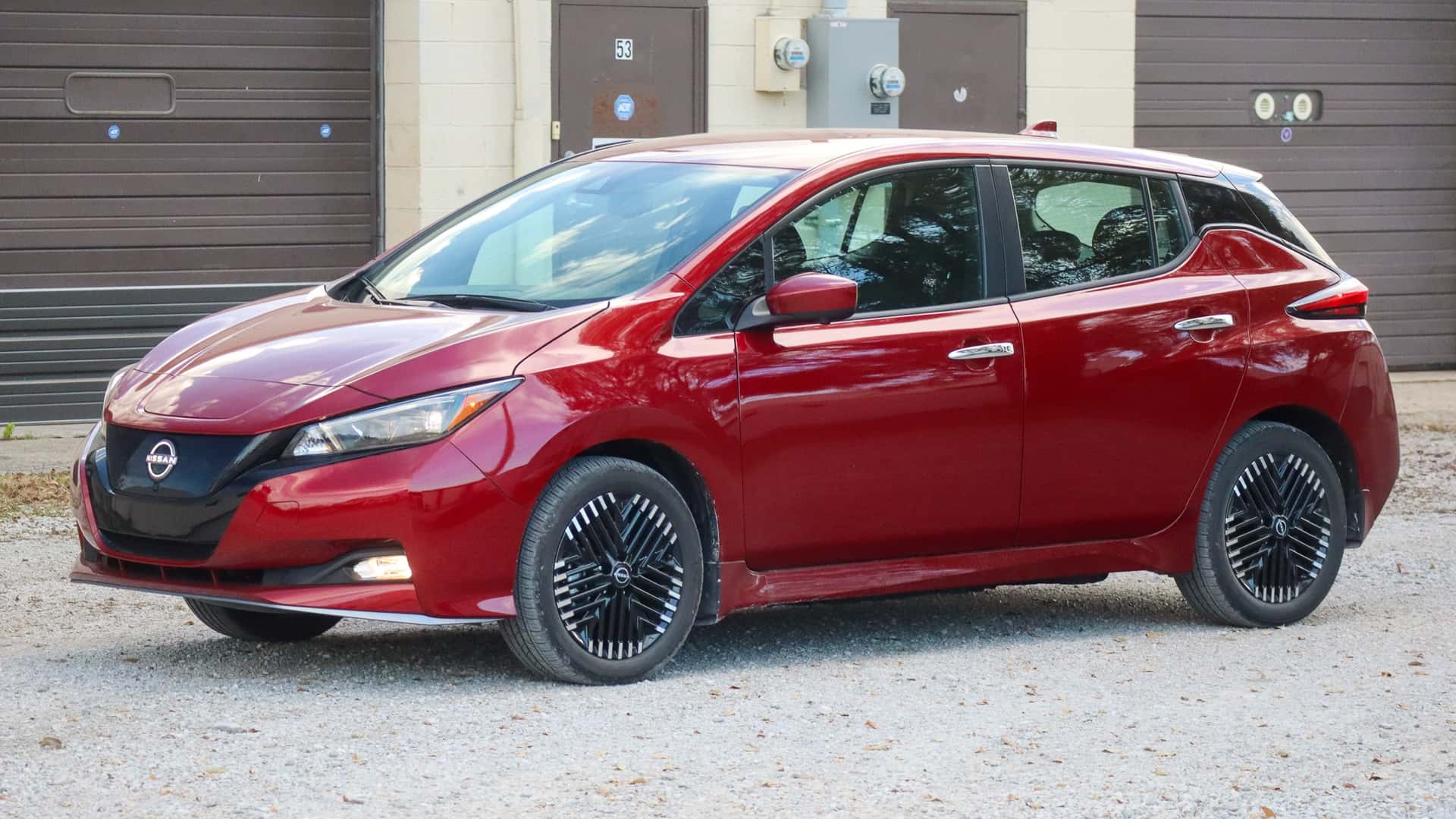
The depreciation of a 2021 Nissan Leaf, for example, illustrates these challenges vividly. This model lost approximately 63.1% of its value over five years. A base 2021 Leaf offered a limited range of 149 miles, unremarkable design, outdated technology, and a charging port incompatible with most modern fast-charging infrastructure. Such a vehicle, especially when factoring in the federal tax credits that reduced its original sticker price, would understandably see a significant drop in resale value.
Furthermore, many EVs available in 2021, including popular models like the Hyundai Ioniq 5, Tesla Model Y, and Ford Mustang Mach-E, have since undergone substantial upgrades, price reductions, and the introduction of new trim levels. The aggressive use of federal tax credits to fuel ultra-cheap lease deals has also contributed to an oversupply of used EVs, further driving down prices in the secondary market.

Consumer Skepticism and Future Outlook
The current depreciation trend does not necessarily indicate a lack of consumer interest in used EVs. Instead, it reflects a short-term market skepticism, similar to the initial reception of used hybrids in 2019. Many potential buyers still harbor concerns about long-term EV battery degradation, despite advancements in battery technology and longevity.
Others are primarily seeking the latest innovations, contributing to the rapid obsolescence of older models. However, the long-term outlook for EVs remains positive. EVs are generally cheaper to maintain and are expected to have a longer operational lifespan than conventional gasoline vehicles.
Opportunities in the Used EV Market
For consumers willing to look beyond the newest models, the current market presents a compelling opportunity to acquire capable used EVs at significantly reduced prices. The rapid depreciation, while a financial concern for original owners, translates into substantial savings for savvy used car buyers.
As the EV market matures, consumer confidence in battery longevity is expected to increase, and the rate of technological advancement may stabilize, leading to more predictable depreciation patterns. This evolution, mirrored by the successful turnaround in hybrid vehicle resale values, suggests that EVs also have the potential to become strong long-term investments.
Frequently Asked Questions
What is the average depreciation rate for EVs after five years?
New data indicates that the average electric vehicle (EV) loses 57.2% of its value over its first five years of ownership. This is considerably higher than the overall industry average.
How do hybrid vehicles compare in terms of depreciation?
Hybrid vehicles currently exhibit lower depreciation than both gasoline and electric cars. After five years, they lose an average of 35.4% of their value, making them the slowest-depreciating powertrain type.
Why did hybrid depreciation rates improve so significantly?
The improvement in hybrid resale values is attributed to increased consumer familiarity, growing acceptance of the technology, and steady improvements in hybrid systems. This reflects a natural progression in technology adoption.
What factors contribute to high EV depreciation?
High EV depreciation is influenced by rapid technological advancements making older models quickly feel outdated, consumer concerns about battery longevity, and the impact of government incentives on original purchase prices, which can exacerbate resale value drops.
Are there good deals to be found on used EVs?
Yes, due to current high depreciation rates, consumers can find significant savings on used EVs. This makes them a potentially attractive option for budget-conscious buyers looking for advanced technology at a lower price point.
What is the long-term outlook for EV resale values?
The long-term outlook is generally positive. As EV technology matures, battery life concerns decrease, and maintenance costs remain lower than gasoline cars, resale values are expected to stabilize and improve, mirroring the trend seen with hybrids.
Does the iSeeCars study provide specific examples of depreciating EVs?
Yes, the study highlights specific models like the Volkswagen ID.4 and Nissan Leaf, which have shown substantial depreciation. Early models of these EVs lost over 60% of their value within five years.