
Key Takeaways
- Rimac Technology will supply the battery packs for the next-generation BMW i7.
- The battery packs will be manufactured in Croatia and shipped to BMW’s plant in Germany for final assembly.
- BMW anticipates significant improvements in range, energy density, and charging performance with the new battery system.
BMW has announced a significant partnership with Croatian electric hypercar manufacturer Rimac Technology to produce battery packs for its forthcoming all-electric flagship sedan, the next-generation BMW i7. This collaboration marks a strategic move by BMW to leverage cutting-edge battery technology for its most luxurious electric vehicle.
Transitioning to Dedicated EV Platforms
The upcoming i7 is set to adopt BMW’s revolutionary ‘Neue Klasse’ platform. This dedicated electric vehicle architecture is a departure from the current i7, which is built on the shared Cluster Architecture (CLAR) primarily designed for internal combustion engines and adapted for electric powertrains.
By moving to a bespoke EV platform, BMW aims to unlock the full potential of electric mobility. The Neue Klasse platform is expected to facilitate more advanced battery integration, optimized weight distribution, and enhanced overall vehicle performance, mirroring the advancements seen in BMW’s electric models like the iX3 and the recently discontinued i3. These dedicated platforms are crucial for achieving ambitious range targets, with models like the iX3 already promising up to 400 miles on a single charge.
Advanced Battery Technology for Enhanced Performance
The collaboration with Rimac Technology will see the integration of BMW’s Gen5 module-based technology, utilizing next-generation 4695 cylindrical lithium-ion cells. This combination is engineered to deliver substantial gains in crucial areas for electric vehicles.
BMW anticipates improvements in energy density, leading to extended driving range. Furthermore, the new battery system is expected to enhance charging performance, potentially reducing charging times. Mate Rimac, founder and president of the Rimac Group, highlighted the success of the collaboration, stating, “Together, we developed a high-voltage battery system that unlocks the full potential of the new cylindrical cells in record time, delivering significant improvements in energy, range, and charging performance.”
Manufacturing and Supply Chain
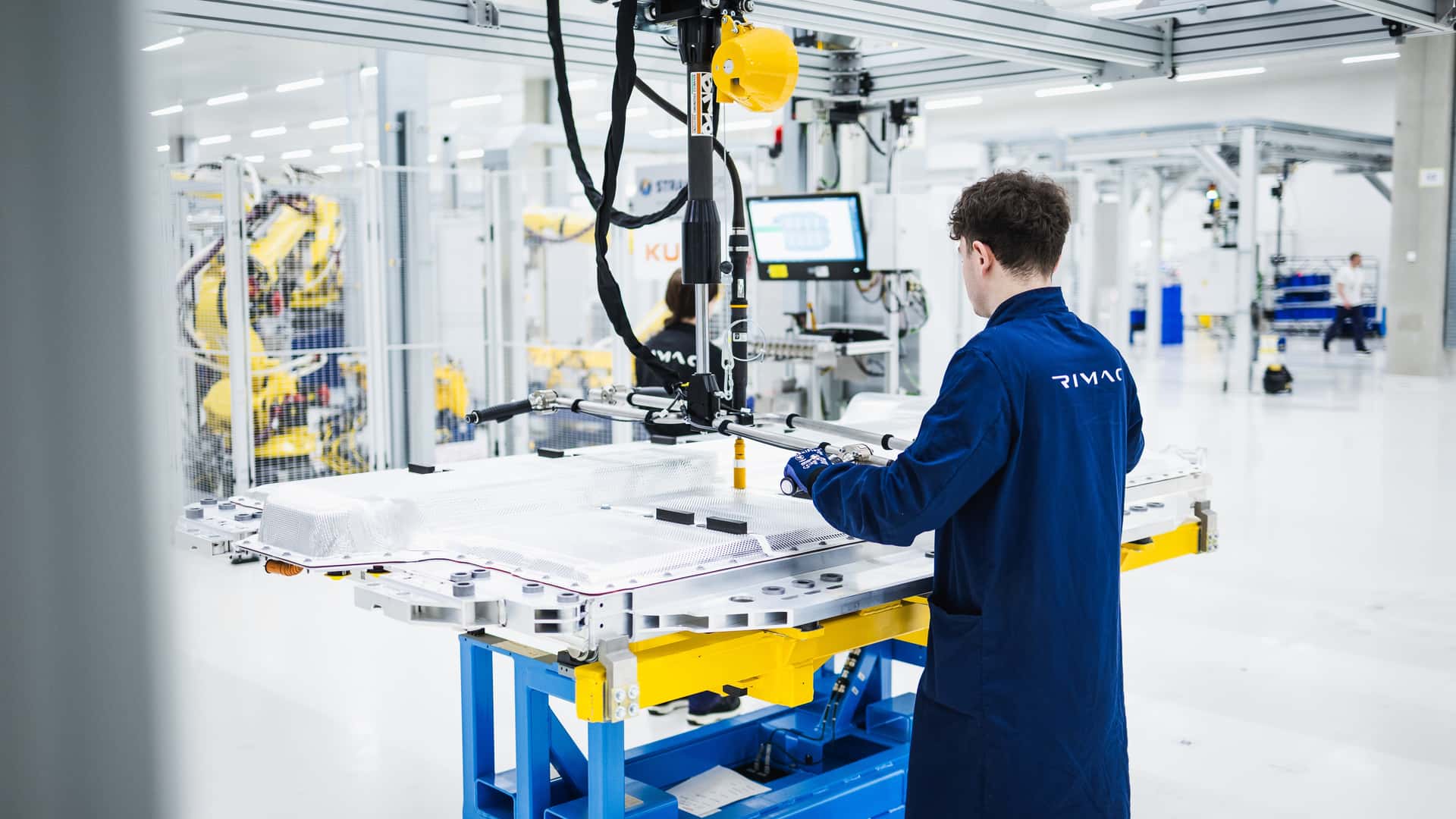
Under the agreement, Rimac will manufacture the advanced battery cells at its state-of-the-art facility located in Zagreb, Croatia. This facility is part of a sprawling 90,000-square-meter campus dedicated to EV innovation and production.
Following their production in Croatia, the completed battery packs will be transported to BMW Group Plant Dingolfing in Germany. Dingolfing, a key production hub for BMW, will be the exclusive site for the final assembly of the Neue Klasse i7, integrating the sophisticated battery systems into the luxury sedan.
Why Rimac Technology?
The choice of Rimac Technology as a battery supplier might seem unconventional compared to mainstream battery manufacturers like BYD or CATL. However, Rimac Technology is not a typical battery producer; it is the dedicated electric vehicle technology division of the Rimac Group.

The Rimac Group is renowned for its expertise in high-performance electric powertrains and components, particularly evident in its ownership of a 55% stake in Bugatti Rimac, with Porsche holding the remaining share. This deep involvement in the hypercar segment means Rimac specializes in developing and manufacturing cutting-edge, high-voltage battery systems suitable for flagship luxury vehicles and extreme performance applications.
Rimac Technology already supplies advanced battery systems for other high-profile vehicles, including the Porsche 911 GTS T-Hybrid and the Bugatti Tourbillon hypercar. BMW’s strategic supply agreement with Rimac, initiated in 2023, is now bearing fruit with the i7 slated to be the first production vehicle to feature batteries from this partnership.
Market Competition and Future Outlook
The next-generation BMW i7 is poised to enter a competitive landscape, directly challenging upcoming luxury electric sedans. A key rival will be the next-generation Mercedes-Benz S-Class EV, which Mercedes-Benz has indicated will be integrated into the S-Class lineup rather than being a standalone EV model like the current EQS.
The official reveal of the new BMW i7 is scheduled for April 22, with concurrent launch events planned at the Beijing Auto Show and in New York. Industry observers will be keenly watching for further details on performance specifications, range, and charging capabilities as BMW solidifies its position in the premium electric vehicle segment.

Frequently Asked Questions
What is the significance of the partnership between BMW and Rimac Technology?
The partnership signifies BMW’s commitment to advanced electric vehicle technology, with Rimac supplying high-performance battery packs for the next-generation i7, promising enhanced range and charging capabilities.
Where will the batteries for the BMW i7 be manufactured?
The battery cells will be manufactured at Rimac’s facility in Zagreb, Croatia. The completed battery packs will then be shipped to BMW’s Plant Dingolfing in Germany for final vehicle assembly.
What kind of battery technology will the new i7 use?
The new i7 will utilize BMW’s Gen5 module-based technology, incorporating next-generation 4695 cylindrical lithium-ion cells developed in collaboration with Rimac Technology.
What are the anticipated benefits of the new battery system?
BMW expects significant improvements in energy density, leading to greater driving range, and enhanced charging performance, potentially reducing charging times for the i7.
Why did BMW choose Rimac over other battery suppliers?
Rimac Technology is a specialized EV technology arm known for developing high-performance, high-voltage battery systems for hypercars, making it an ideal partner for BMW’s flagship electric sedan.
When will the new BMW i7 be revealed?
The next-generation BMW i7 is scheduled to be revealed on April 22, with simultaneous events planned at the Beijing Auto Show and in New York.
Will the new i7 use a dedicated EV platform?
Yes, the next-generation BMW i7 will be built on the ‘Neue Klasse’ platform, a dedicated electric vehicle architecture designed from the ground up for EVs.