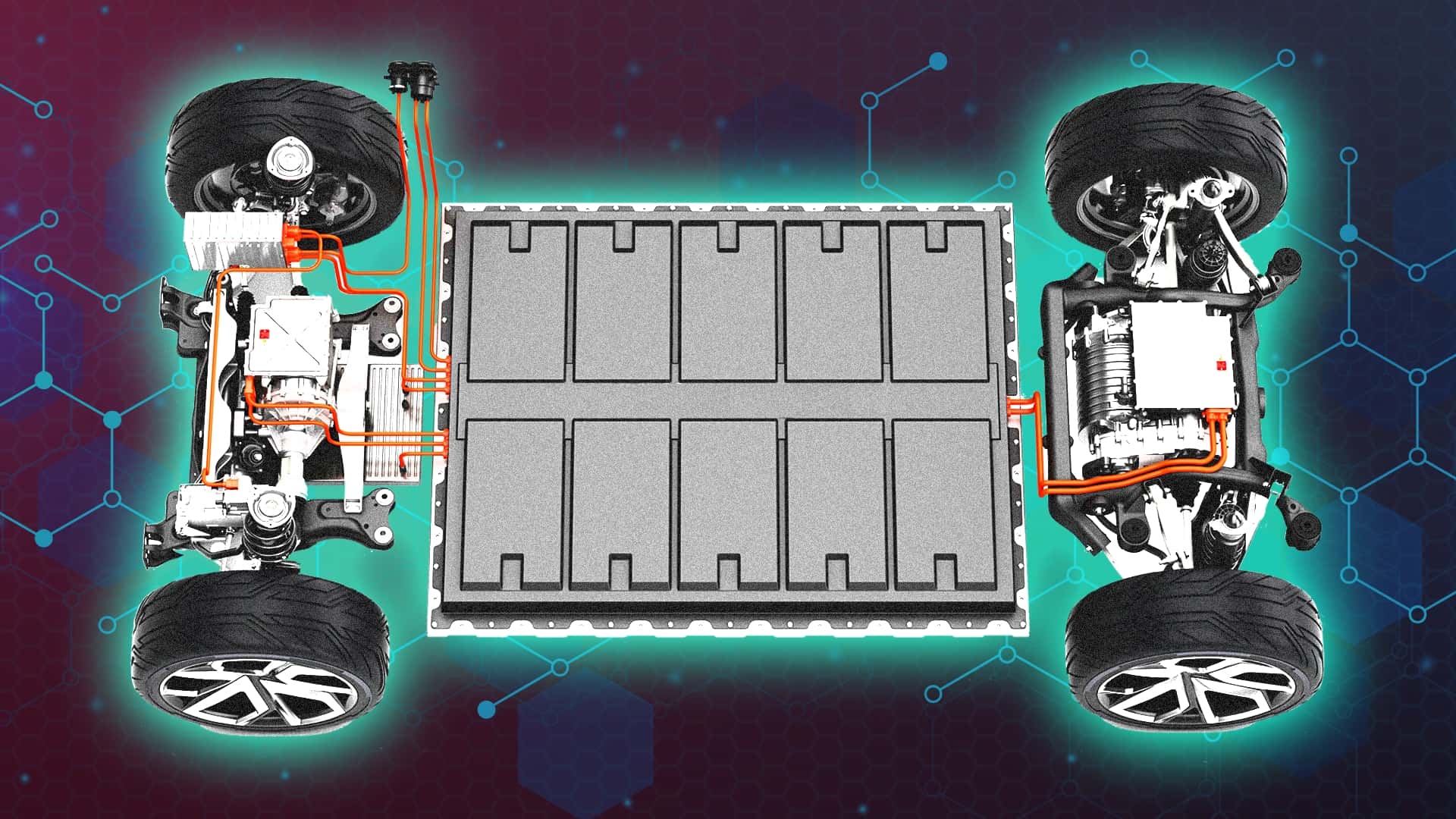
While not the most glamorous aspect of electric vehicle production, the recycling of EV batteries is rapidly emerging as a critical and lucrative segment of the automotive industry. As more electric cars reach the end of their service life, the valuable materials within their batteries are becoming increasingly sought after for the creation of new energy storage solutions.
The Nascent Stage and Future Potential of EV Battery Recycling
The primary reason the EV battery recycling sector has not yet reached its full potential is the relative newness of the electric vehicle market. Consequently, a large volume of EVs has not yet reached the end of their operational lifespan. However, a significant number of older electric vehicles are nearing retirement, making battery recycling an increasingly attractive proposition.

The mineral-rich materials recovered from this process are being referred to by some as the new “black gold,” highlighting their immense value.
McKinsey’s Forecast: A Multi-Billion Dollar Industry on the Horizon
Industry analysis suggests a substantial financial future for battery recycling. Consultancy McKinsey & Co. projects that global revenues across the entire battery recycling value chain are expected to surge to approximately $70 billion annually by 2040. This represents a dramatic increase from the estimated $2.5 billion generated last year.
This optimistic forecast is underpinned by the anticipated influx of retired EV batteries in the post-2030 era, as the electric vehicles introduced in recent years approach their end-of-life. Major automotive manufacturers, including BMW, Volkswagen, and Renault, are actively expanding their recycling partnerships. Concurrently, companies like R3 Robotics are developing and deploying robotic systems to industrialize the battery disassembly process, aiming for competitive cost efficiencies.
Regulatory Drivers Fueling the Recycling Boom
A significant catalyst for the growth of battery recycling is, as expected, regulatory pressure. Until the economics of transforming old batteries into new ones become as favorable as, or more favorable than, mining and refining virgin materials, the industry will rely on supportive policies to scale up.
Both the European Union and China have implemented stringent requirements for the recycling of battery materials. China, for instance, has established mandatory take-back rules for batteries. The EU’s Battery Regulation sets ambitious targets, including a goal for 70% of lithium in EV batteries to be recycled by 2030.
Furthermore, the European Critical Raw Materials Act aims to reduce the continent’s reliance on foreign sources for battery materials. This act mandates that at least 25% of these materials must originate from within the EU, with a significant portion derived from recycling processes.

US State-Level Initiatives and Long-Term Sustainability Goals
While the United States currently lacks a federal mandate for EV battery recycling, several states are beginning to take action. In a notable development, Colorado lawmakers recently introduced a bill that would obligate automakers to ensure the proper recycling of their EVs’ batteries, with the proposed law set to take effect in 2028.
The confluence of factors—including the drive for supply chain security, margin protection, and the principles of a circular economy—suggests a period of significant growth for battery recyclers in the coming years.
Looking further ahead, a mature and efficient EV battery recycling industry could potentially eliminate the need for mining new battery minerals globally by 2050. This far-reaching projection comes from a study released last year by the environmental think tank RMI, underscoring the profound long-term sustainability implications of advanced recycling capabilities.