
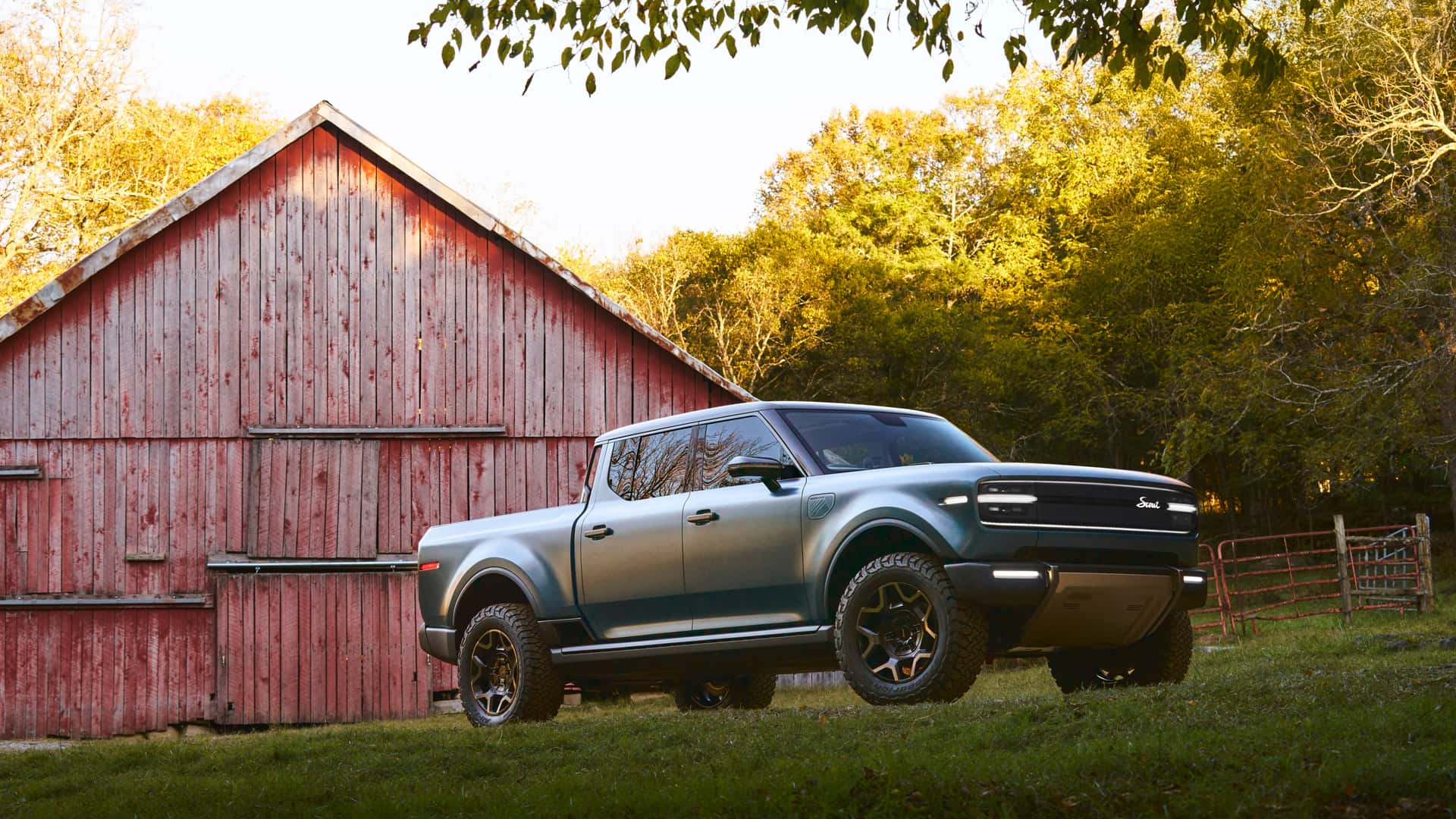
As the automotive landscape shifts, a new category of electric vehicle is emerging to address consumer concerns about range and charging infrastructure. Extended-range electric vehicles (EREVs), which combine electric powertrains with onboard gasoline generators, are poised to make a significant impact on the American market.
These vehicles offer the benefits of electric propulsion, such as smooth acceleration and reduced emissions, without the range anxiety traditionally associated with pure EVs. The integrated combustion engine serves solely as a generator, replenishing the battery pack and eliminating the need for constant charging stops.
The Appeal of Extended-Range Electric Vehicles
EREVs provide a flexible solution for drivers who may not have consistent access to charging or who frequently undertake long journeys. The ability to refuel with gasoline at any station offers a backup that pure EVs cannot match.
While EREVs can also be charged externally, like conventional EVs, the presence of the generator ensures continuous operation. This dual approach aims to provide the best of both worlds: the environmental and performance advantages of electric driving, coupled with the practicality of gasoline-powered vehicles for extended travel.
The concept of EREVs is not entirely new to the U.S. market, with earlier models like the BMW i3 REx and Fisker Karma paving the way. However, the current resurgence in interest is fueled by automakers responding to a more cautious consumer reception of purely electric vehicles and evolving regulatory environments.
Upcoming EREV Models for the U.S. Market
Several manufacturers are preparing to launch new EREV models in the coming years, targeting various segments from pickup trucks to luxury SUVs. These upcoming vehicles are set to redefine the EREV segment and offer consumers more choices.
Ram 1500 REV (Expected 2026)
After facing delays and a name change from Ramcharger, the Ram 1500 REV is slated for production in the latter half of 2026, arriving as a 2027 model. This decision by Stellantis to prioritize the extended-range version over an all-electric Ram 1500 pickup reflects the current market demand for electrified trucks.
The 2027 Ram 1500 REV will feature a substantial 92-kilowatt-hour main battery. Its electric drive modules—a 250 kW unit at the front and a 248 kW unit at the rear—deliver a combined output of 647 horsepower and 610 pound-feet of torque. With a full battery charge, an estimated 145 miles of electric range is achievable.
A 3.6-liter Pentastar V-6 engine powers a 130 kW generator to extend this range. When combined with a full tank of gasoline, the total driving range is expected to reach 690 miles. The truck also includes a CCS-1 fast-charging port capable of adding up to 50 miles of range in 10 minutes. Pricing is anticipated to be positioned above the standard gasoline models.
Scout Motors Terra and Traveler (Expected 2027)
Scout Motors is preparing to launch its Terra pickup truck and Traveler SUV, which draw inspiration from the classic International Harvester Scout models. These vehicles are expected to begin production at a new South Carolina factory by the end of 2026.
The EREV versions will be equipped with a 63 kWh lithium-iron phosphate (LFP) battery, providing an all-electric range of approximately 150 miles. A naturally aspirated four-cylinder gasoline engine, positioned near the rear axle, will drive a generator to extend the total range to around 500 miles on a full charge and a full tank.
Scout is also offering all-electric variants with a larger 120-130 kWh battery for an estimated 350 miles of range. Notably, approximately 85% of Scout reservation holders have opted for the EREV configurations, indicating strong consumer interest. Pricing for Scout vehicles is expected to start under $60,000.
Jeep Grand Wagoneer EREV (Expected 2026)
The Jeep Grand Wagoneer is set to adopt the same extended-range powertrain as the Ram 1500 REV. Stellantis has indicated this model could be the first range-extended electric vehicle in America. It will utilize a 92 kWh battery powering front and rear electric motors, producing a combined 647 horsepower and 620 pound-feet of torque.
The Grand Wagoneer EREV is projected to accelerate from 0 to 60 mph in five seconds, making it the quickest Grand Wagoneer to date. While specific all-electric range figures are not yet available, the combined electric and gasoline range is expected to exceed 500 miles. The powertrain incorporates the same 3.6-liter Pentastar V-6 engine acting as a generator.
Hyundai and Genesis EREV SUVs (Expected 2027)
Hyundai plans to introduce EREV technology in its lineup, with the first models expected to enter production by the end of 2026 and sales commencing early the following year. Both a Hyundai SUV and a Genesis SUV will feature this new powertrain.
According to Hyundai Motor President and CEO Jae Hoon Chang, the company has developed a unique powertrain system enabling all-wheel drive with two motors. The operation is primarily electric, with the engine dedicated to charging the battery. The system includes an MG1 front drive unit acting as a generator and powering the front wheels, while an MG2 rear drive unit operates solely on battery power.
Hyundai targets a total driving range of over 560 miles with a full battery and gasoline tank. Pricing is yet to be announced, but the automaker suggests it will be more affordable than comparable EV models. The Genesis version is expected to be a more premium offering but will share the same underlying technology and range capabilities.
The combined production target for these Hyundai and Genesis EREV SUVs in the United States is 80,000 units annually, with additional capacity in China.
Ford F-150 Lightning EREV (Timing Uncertain)
Although the all-electric Ford F-150 Lightning is being discontinued, Ford plans to reintroduce it as an extended-range electric vehicle. This new iteration aims to offer an extended range of over 700 miles and improved towing capabilities compared to its predecessor.
This gasoline-assisted truck will replace the vehicle previously known as Project T3, which was canceled. Ford has not provided specific details on the powertrain or launch timeline for the F-150 Lightning EREV.
Kia EREV (Timing Uncertain)
Kia, part of the Hyundai Motor Group, is also developing an extended-range EV. The company’s president and CEO, Ho Sung Song, confirmed that an EREV system based on a 2.5-liter gasoline engine is in development, which will also be used in future hybrid powertrains.
While details about the specific Kia model are scarce, reports suggest the Telluride SUV could be the first to receive this EREV setup. The powertrain is expected to leverage existing hybrid technology within the group.
Honorable Mentions and Potential Future Models
Several other manufacturers are exploring or have already implemented similar technologies that blur the lines between EREVs and advanced plug-in hybrids.
Nissan Rogue e-Power (Expected 2027)
The next-generation Nissan Rogue is anticipated to feature an updated version of Nissan’s e-Power system. This system operates similarly to an EREV, where a gasoline engine primarily functions as a generator for the electric motors that drive the wheels.
A key difference is the smaller battery pack (2-4 kWh) which cannot be externally charged. The U.S. model is expected to adopt the system found in the European Nissan Qashqai, featuring a 1.5-liter three-cylinder engine and a 202-horsepower electric motor. All-wheel drive is also expected.
Volvo’s Next-Generation Plug-in Hybrids (Timing Uncertain)
Volvo is developing new plug-in hybrids that will offer an all-electric range of approximately 100 miles, doubling the current range. While described as functioning similarly to EREVs, these models will differ by allowing the gasoline engine to directly power the wheels at higher speeds, in addition to acting as a generator.
This approach aims to optimize efficiency by using electric motors for lower speeds and the more efficient gasoline engine for highway cruising, similar to systems seen in the Chevrolet Volt and various Chinese market vehicles.
BMW X5 & 7-Series EREV (Unconfirmed)
Following the success of the original BMW i3 REx, reports suggest BMW is considering integrating EREV powertrains into larger, premium vehicles such as the X5 SUV and 7-Series sedan. This would leverage BMW’s experience in developing range-extender technology.
Audi SUV (Unconfirmed)
German publication Automobilwoche reported that Audi is developing a U.S.-bound SUV with an EREV powertrain. This vehicle is rumored to share a platform with Scout Motors’ Traveler and Terra models, given that both Audi and Scout fall under the Volkswagen Group umbrella.
Lotus Eletre PHEV (Unconfirmed)
Lotus, under Geely’s ownership, has introduced a plug-in hybrid version of its Eletre SUV in China, which can also operate in an EREV mode. This system shares technology with other Geely brands like Zeekr.
The Chinese market Eletre For Me features a 70 kWh battery, dual electric motors, and a 2.0-liter gasoline engine that can either generate power or drive the front wheels directly, producing a combined 982 horsepower. The availability of this EREV-capable PHEV in the U.S. remains unconfirmed.
The expanding range of extended-range electric vehicles signals a significant evolution in the automotive industry, offering consumers a compelling alternative that bridges the gap between traditional gasoline cars and fully electric vehicles.