
Key Takeaways
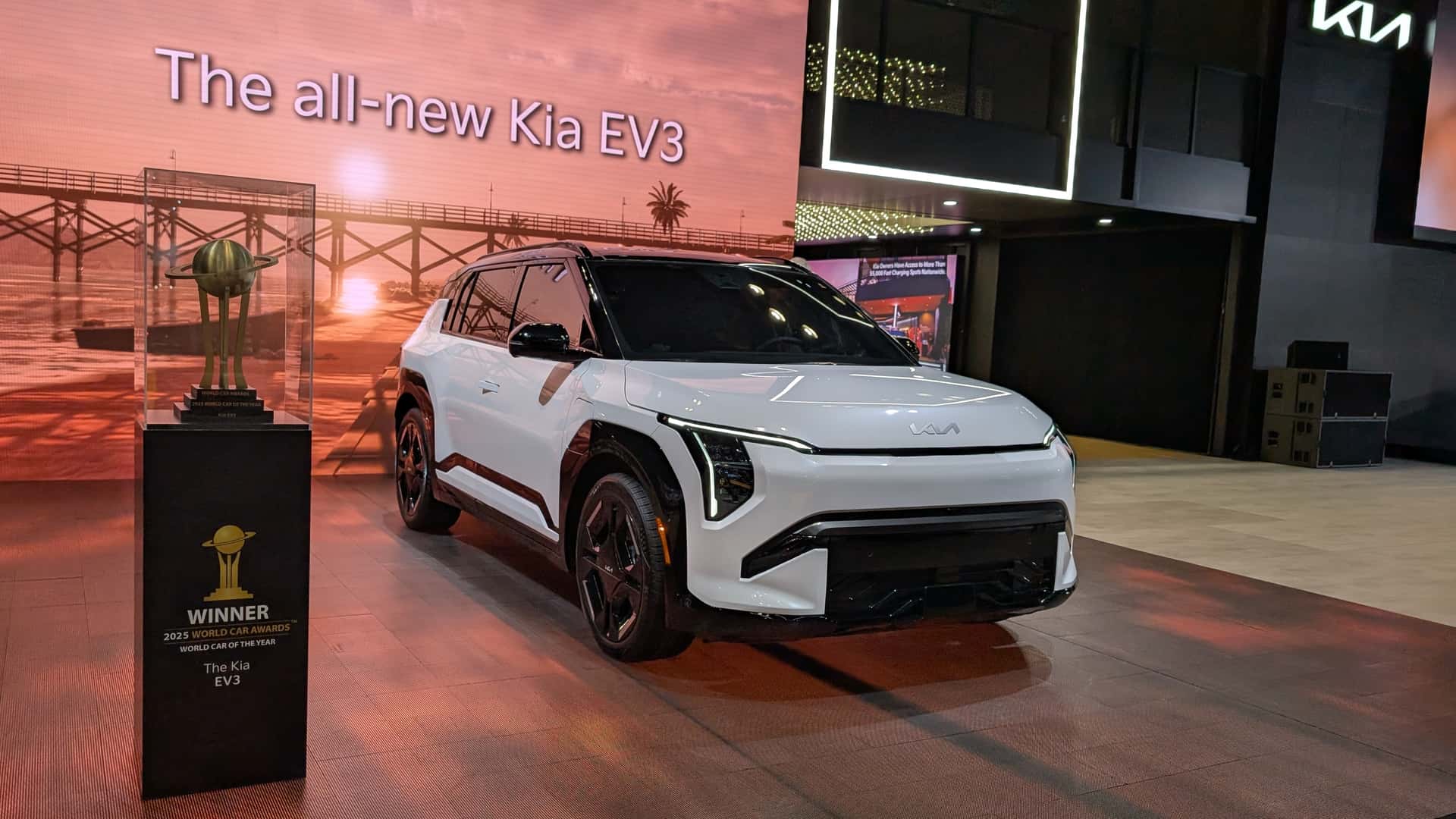
The Kia EV3 aims to blend a practical, boxy SUV design with impressive electric range, challenging the notion that aerodynamic efficiency requires radical styling. Kia claims the EV3 will achieve over 320 miles on a single charge with its larger battery option and front-wheel drive. The company is leveraging advanced battery technology and specific aerodynamic features to maximize efficiency without compromising its distinctive shape. While pricing and U.S. market specifics are pending, the EV3 is positioned as Kia’s most affordable EV and a potential successor to the outgoing Niro EV.
Redefining Electric SUV Design and Efficiency
In a automotive landscape often dominated by smooth, teardrop-shaped electric vehicles, the upcoming Kia EV3 stands out with its distinctly boxy, yet undeniably appealing, SUV silhouette. This design choice challenges the prevailing trend where achieving long electric driving ranges necessitates aerodynamic forms that some consumers find polarizing, such as the Mercedes-Benz EQS or even Kia’s own EV6.

The EV3 demonstrates that automakers can embrace more traditional, practical, and visually familiar SUV shapes without a significant sacrifice in electric range. This approach mirrors innovations seen in vehicles like the Rivian R2, suggesting a new era for electric utility vehicles that prioritize both form and function.
Aerodynamic Innovations for Extended Range
Despite its upright stance, Kia asserts that the EV3 is remarkably aerodynamic. Joshua Kim, manager of product planning and strategy at Kia America, highlighted this achievement, stating, “Despite its boxy shape it’s very aerodynamic.” This efficiency is crucial for delivering the anticipated range figures.
The compact EV3 is slated to offer an estimated 320 miles of range on the U.S. cycle with its larger 81.4 kilowatt-hour battery. A smaller 58.3 kWh pack is also available, projected to deliver approximately 220 miles. These figures are impressive for a vehicle with its dimensional profile, achieving a claimed drag coefficient of 0.275.
Engineering for Aerodynamic Excellence
This drag coefficient places the EV3 in competitive territory, comparable to much larger and more premium vehicles like the Porsche Cayenne Electric (0.25 Cd) and the Hyundai Ioniq 9 (0.26 Cd). While those vehicles may have larger frontal areas, the EV3’s coefficient indicates significant engineering effort focused on airflow management.
Kia attributes this aerodynamic prowess to a combination of strategic design elements. At the front, active aerodynamic flaps adjust to either aid battery cooling when needed or close during highway cruising to minimize drag. Specially designed aerodynamic wheels and low-rolling-resistance tires work to smooth airflow along the vehicle’s sides.
At the rear, a substantial roof spoiler tapers the airflow, further contributing to the low drag figure. Additionally, a fully flat underbody ensures that air can move cleanly from the front of the vehicle to the rear, a critical factor for maintaining efficiency, particularly at higher speeds.

Advanced Battery Technology Under the Hood
Underpinning the EV3’s range capabilities are its battery systems. Kim confirmed that both the standard and extended-range battery packs utilize “the newest generation of NMC batteries.” While specific details regarding the advancements in the nickel-manganese-cobalt chemistry were not disclosed, the use of the latest technology is a key factor in achieving competitive range.
The Cheapest Kia EV
The development of these sophisticated aerodynamic and battery technologies for the EV3 underscores Kia’s strategy. “We’re really trying to take our proven EV technology you’ve seen on the EV6 and EV9 and distill it into a smaller and more affordable package,” Kim explained. This indicates the EV3 is intended to be Kia’s most accessible electric vehicle offering.
Market Positioning and U.S. Outlook
The launch of the EV3 comes at a time when Kia’s current EV offerings in the American market have seen mixed results. The EV6, despite its innovative design, has faced challenges in sales volume, while the Hyundai Ioniq 5, sharing some mechanical similarities and a retro-modern aesthetic, has performed more strongly.
Furthermore, with the Niro EV not expected to return for the next model year, the EV3 is positioned to fill a significant gap. It is anticipated to become Kia’s entry-level electric model in the United States, offering a more affordable gateway into the brand’s electric portfolio.

Kia has indicated that the final pricing and specific production location for the U.S. market version of the EV3 are still under consideration. The company previously reviewed the EV3 in Seoul during 2024, receiving positive impressions of the vehicle’s performance and design.
FAQ Section
What is the estimated range of the Kia EV3?
The Kia EV3 is projected to offer up to 320 miles of range with its larger 81.4 kWh battery pack and front-wheel drive configuration.
What battery technology does the Kia EV3 use?
Both the standard (58.3 kWh) and extended (81.4 kWh) battery options for the EV3 utilize the newest generation of Nickel-Manganese-Cobalt (NMC) battery chemistry.
How aerodynamic is the Kia EV3?
Despite its boxy design, the Kia EV3 boasts a claimed drag coefficient of 0.275, achieved through various aerodynamic enhancements.
What specific aerodynamic features does the EV3 have?
Key features include active front aero flaps, aerodynamic wheels, low-rolling-resistance tires, a tapered rear roof spoiler, and a flat underbody to optimize airflow.
How does the EV3’s design address range concerns?
The EV3 demonstrates that practical, boxy SUV designs can achieve substantial electric range through advanced battery technology and meticulous aerodynamic engineering, challenging conventional design wisdom.
What is the target market for the Kia EV3?
The EV3 is positioned as Kia’s most affordable electric vehicle, aiming to attract a broader audience seeking value and practicality in an EV SUV.
When will the Kia EV3 be available in the U.S.?
Pricing and U.S. market availability details are still pending confirmation from Kia America.
How does the EV3 compare to other Kia EVs?
It is designed to be a more accessible, entry-level model, offering the brand’s proven EV technology in a smaller, more affordable package compared to the EV6 and EV9.