
Key Takeaways
- Mercedes-Benz reported an 11% increase in electric vehicle (EV) sales in the first quarter of the year, totaling 50,400 units.
- Overall global sales for the quarter declined by 6%, largely due to a significant 27% drop in sales within the crucial Chinese market.
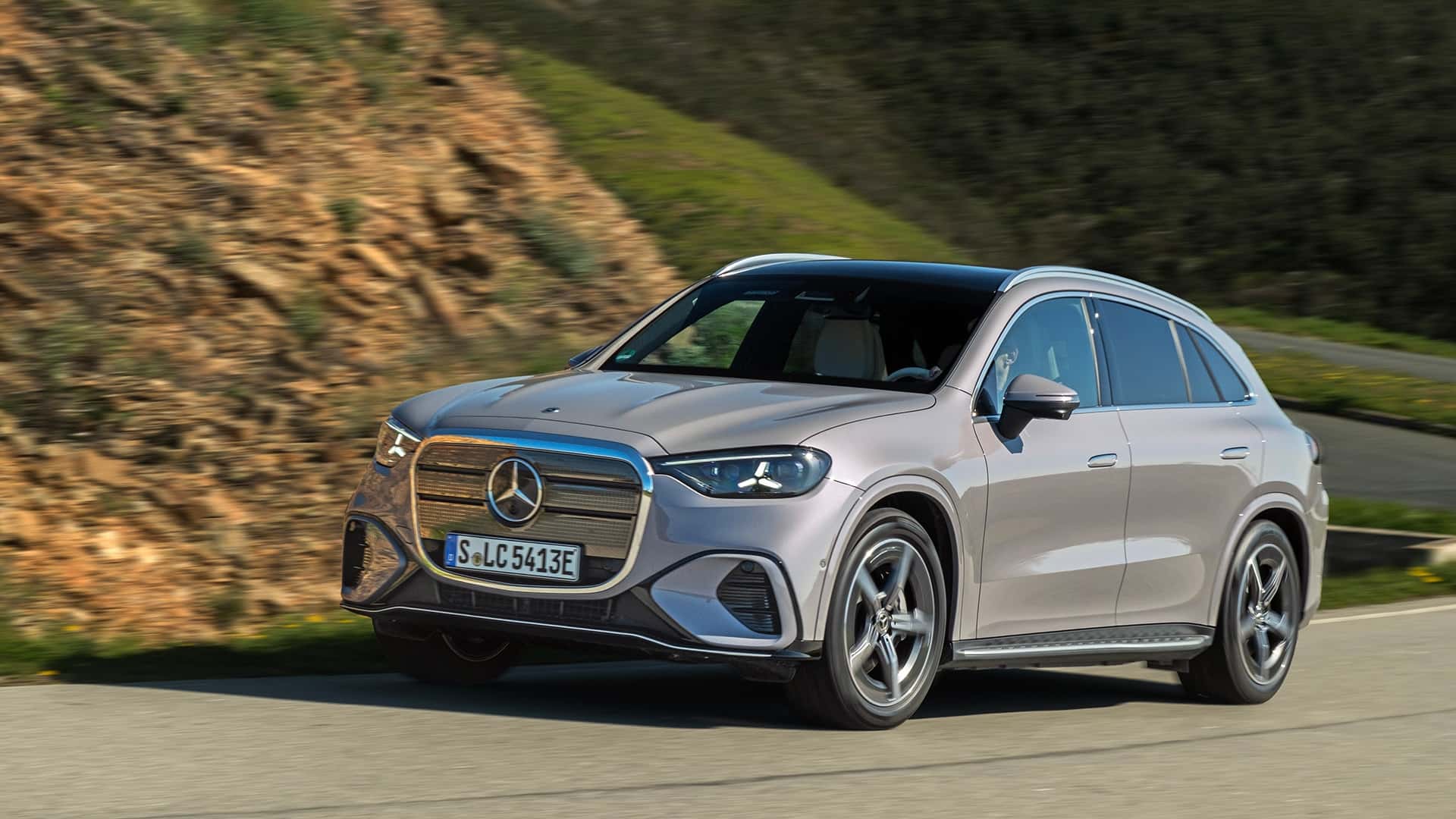
- The company is banking on new models like the electric CLA and GLC to drive future EV growth, moving towards a more conservative design language.
- Despite challenges in China, positive EV sales in Europe and the United States offer a glimmer of optimism for Mercedes-Benz’s electric transition.
EV Momentum Builds Despite Overall Sales Decline
Mercedes-Benz has navigated a complex first quarter, experiencing an 11% surge in electric vehicle sales while its overall global sales saw a 6% dip. The luxury automaker delivered 50,400 EVs in the period, with 44,300 of these being passenger cars, signaling growing momentum in its electrification strategy.
This positive trend in EV sales was bolstered by a 7% improvement in Europe and a notable 20% increase in the United States. These gains helped to counteract a significant downturn in key markets.
China Market Presents Major Headwinds
The bright spots in EV sales were overshadowed by a challenging performance in China, which saw a substantial 27% decline in sales for the quarter. This downturn is attributed to an ongoing price war among premium brands in the local market, creating a difficult competitive landscape for Mercedes-Benz.
The company has characterized 2026 as a “transitional year” for its China operations. During this period, Mercedes-Benz plans to phase out older models and introduce replacements designed to better meet market demands.
New EV Models Poised to Drive Future Success
Mercedes-Benz is shifting its EV design philosophy towards a more conservative approach, a strategy evidenced by upcoming models like the electric CLA and the electric GLC. These vehicles have reportedly been well-received and have generated strong buyer interest.
Industry observations suggest a departure from the more unconventional design of Mercedes’ current EQ lineup. Models like the early EQS were noted for having “sketchy brake pedal feel,” though this has since been improved. However, the distinct styling, sometimes likened to “jellybeans,” may have contributed to slower-than-expected sales.
The manufacturer is actively working to enhance the appeal of its existing EQ models through mid-lifecycle facelifts, including significant updates for the EQS. Yet, the focus is increasingly on entirely new platforms and designs.
Next-Generation EVs and Architecture
The upcoming electric C-Class, sharing its platform and design cues with the electric GLC, represents this new direction. Its styling is described as a more conventional Mercedes sedan, with subtle fastback and coupe influences at the rear.
Further down the line, an electric E-Class and S-Class are planned, both built on the dedicated 800-volt MB.EA architecture. This platform is distinct from those used for combustion engine vehicles, underscoring Mercedes-Benz’s commitment to a bespoke EV future.
Introducing the VLE: A New Era of Luxury Transport
Mercedes-Benz is also innovating in the luxury people carrier segment with the VLE, which the company prefers to call a “grand limousine.” Having seen the VLE firsthand, early assessments indicate a significant leap in performance, luxury, and features compared to the existing V-Class, a popular choice for VIP transport globally.
Key Launches and Future Outlook for 2026
The year 2026 is marked as a pivotal year for Mercedes-Benz EVs, with the rollout of the GLC EV, GLB EV, VLE, and the electric C-Class scheduled. Additionally, AMG is expected to debut the production version of the GT XX Concept by year’s end.
The positive trajectory in the first quarter for Mercedes-Benz’s electric models could signal the beginning of a significant turnaround, especially with the anticipated influx of new EVs into the market this year and beyond. The company is strategically positioning itself to capitalize on the growing demand for premium electric mobility.

Frequently Asked Questions
What were Mercedes-Benz’s overall sales figures for Q1?
Mercedes-Benz’s overall global sales decreased by 6% in the first quarter of the year. This decline was influenced by various market factors, including challenges in key regions.
How did Mercedes-Benz’s EV sales perform in Q1?
The company’s electric vehicle sales showed a positive trend, increasing by 11% in the first quarter to reach 50,400 units, indicating growing consumer interest in their EV offerings.
Which markets contributed positively to Mercedes-Benz’s EV sales?
Europe saw a 7% improvement in EV sales, while the United States experienced a significant 20% increase in electric vehicle deliveries during the first quarter.
What is the primary reason for the sales decline in China?
The significant 27% drop in sales in China is primarily attributed to an ongoing price war among local premium automotive brands, creating intense competition.
What are the key new EV models Mercedes-Benz is introducing?
Mercedes-Benz is focusing on new generations of EVs, including the electric CLA and electric GLC, with the electric C-Class, E-Class, and S-Class to follow, built on the MB.EA architecture.
What is the significance of the VLE for Mercedes-Benz?
The VLE, referred to as a “grand limousine,” represents an advancement in ultra-luxurious people carriers, offering enhanced performance and features over existing models.
When can we expect the next wave of Mercedes-Benz EV launches?
The year 2026 is anticipated to be significant, with the rollout of the GLC EV, GLB EV, VLE, and electric C-Class, alongside the production version of the AMG GT XX Concept.