
Future of an Icon: Nissan Confirms Next-Generation GT-R Development
The legendary Nissan GT-R, often hailed as ‘Godzilla’, is set to embark on a new chapter, with the successor to the current R35 model slated for arrival before the end of the decade. While the R35 is scheduled for discontinuation in 2025, Nissan is actively developing the R36, promising a completely redesigned performance vehicle.
Ponz Pandikuthira, Senior Vice President and Chief Planning Officer for Nissan North America, shared insights into the future of the GT-R. Speaking with The Drive, Pandikuthira indicated that concrete details about the R36 would likely emerge around 2028. “I’d say by 2028 you’ll see some concrete announcements, and hopefully before the decade turns you’ll see an R36 GT-R,” he stated, setting expectations for a reveal and potential launch within the next six years.

All-New Underpinnings and Powertrain for the R36 GT-R
The upcoming R36 GT-R will represent a significant departure from its predecessor, built on an entirely new platform. This move signifies Nissan’s commitment to a fresh performance architecture for its flagship sports car.
Pandikuthira emphasized the comprehensive nature of the redesign. “The powertrain’s going to be mostly new,” he confirmed. “The R36 has to be on a new chassis and will be an all-new car.” This indicates a holistic approach, touching upon every major aspect of the vehicle’s engineering.
Electrification on the Horizon: Hybrid Power Dominates
Electrification is a key component of the R36 GT-R’s development strategy, though perhaps not in the fully electric form some might have anticipated. Nissan appears to be leaning towards a hybrid powertrain to balance performance with future emissions compliance.
“The next generation GT-R will need some level of electrification,” Pandikuthira explained. “So, does it need to be a full EV? Probably not, but it does need to have some level of electrification to future-proof emissions compatibility.” This suggests a pragmatic approach to integrating electric power, prioritizing compliance and performance over a purely electric drivetrain.
The Iconic VR38 Engine: Evolving, Not Extinct
While the powertrain will be largely new, the foundation is likely to remain the celebrated VR38 twin-turbo V6 engine. Rather than a complete replacement, Nissan plans to extensively revise the existing engine to meet new demands.
Pandikuthira highlighted the inherent strength of the VR38’s block. “If there was a hybrid powertrain, the block of that VR38 engine is so great. Why would you throw that away? But maybe the way combustion needs to work will be very different. Maybe the heads are different, maybe the pistons are different, so we may have to change the top end,” he elaborated. This indicates a focus on updating critical components to support hybrid integration and enhance efficiency.

Navigating Global Emissions Standards
A primary driver for the electrification and redesign of the GT-R is the need to comply with increasingly stringent global emissions regulations. Nissan intends for the R36 to be a global model, necessitating adherence to standards like the upcoming Euro 7 norms.
The current R35 GT-R’s powertrain, while potent, is not designed to meet these future environmental requirements in key markets. “Pandikuthira noted that the current R35 GT-R’s powertrain would not meet future emissions requirements in several markets, making electrification necessary for the next-generation GT-R,” the report states. This underscores the critical role of technology in ensuring the GT-R’s continued availability worldwide.
Shifting Strategy Amidst EV Market Dynamics
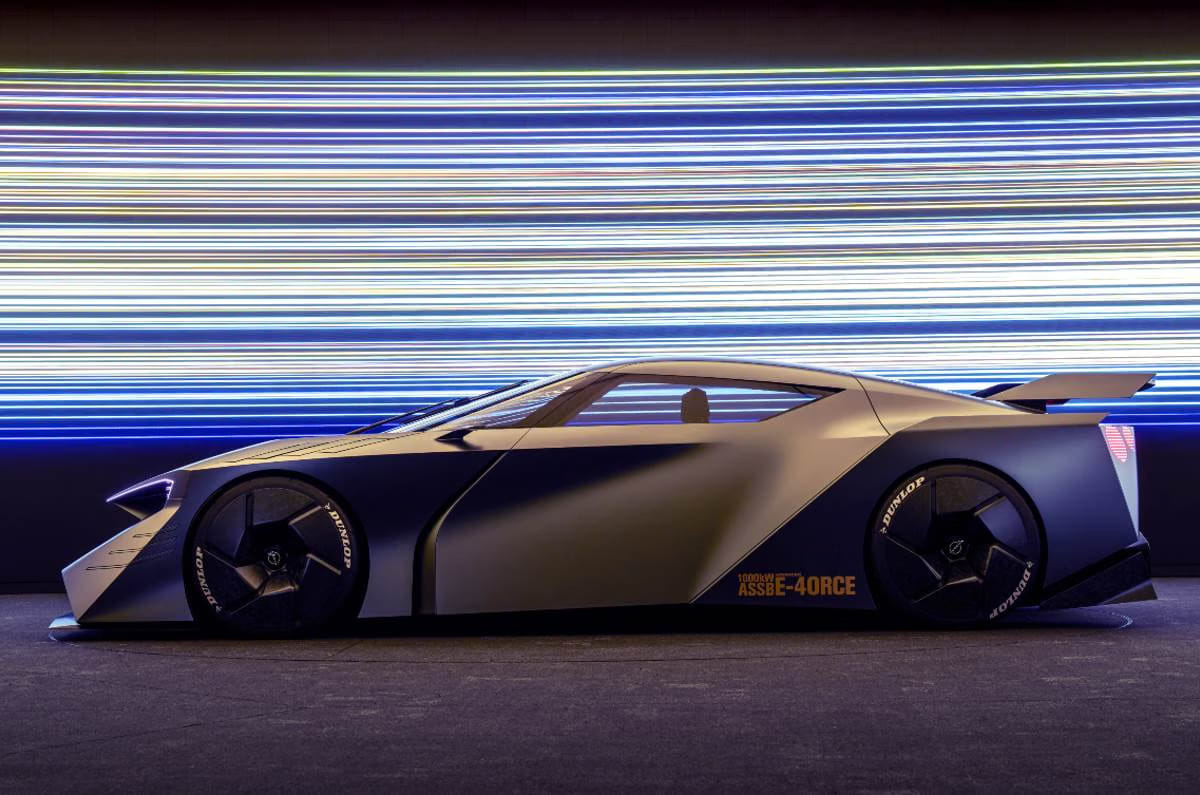
Nissan’s approach to the R36’s powertrain reflects broader industry trends. While the company previously showcased an all-electric future for the GT-R with the 2023 Hyper Force concept, the evolving EV market appears to have influenced their strategy.
With the pace of full electric vehicle adoption proving slower than initially projected and several automakers recalibrating their electrification plans, a hybrid configuration for the R36 GT-R offers a compelling middle ground. It allows Nissan to embrace electric assistance for performance and efficiency while managing the complexities of battery technology and charging infrastructure.

Key Takeaways
- The next-generation Nissan GT-R, codenamed R36, is confirmed to be under development.
- An official reveal is anticipated around 2028, with a market launch expected before 2030.
- The R36 will feature an all-new platform and a significantly reworked powertrain.
- A hybrid system is the most likely direction for the powertrain, balancing performance and emissions compliance.
- A fully electric R36 GT-R is not currently planned.
- The venerable VR38 twin-turbo V6 engine is expected to form the basis of the new powertrain, undergoing substantial updates.
- The redesign is driven by the need to meet stricter global emissions regulations, including Euro 7.
Frequently Asked Questions
When will the next-generation Nissan GT-R be revealed?
Nissan anticipates making concrete announcements regarding the R36 GT-R around 2028, suggesting an official reveal is likely within this timeframe.
Will the new GT-R be fully electric?
Nissan has indicated that a full-electric GT-R is unlikely. Instead, the R36 is expected to incorporate some level of electrification, most probably through a hybrid powertrain.
What engine will the R36 GT-R use?
The existing VR38 twin-turbo V6 engine is expected to be the foundation for the R36’s powertrain, though it will undergo significant revisions and updates.
Will the R36 GT-R be a global model?
Yes, Nissan aims to make the R36 a global model, requiring it to comply with international emissions standards.
What is the expected launch timeframe for the R36 GT-R?
Nissan hopes to see the R36 GT-R launched before the end of the current decade, potentially in the years following its 2028 announcement.
Why is electrification necessary for the next GT-R?
Electrification is crucial for future-proofing the GT-R’s emissions compatibility and meeting stricter regulations in global markets like Europe.