
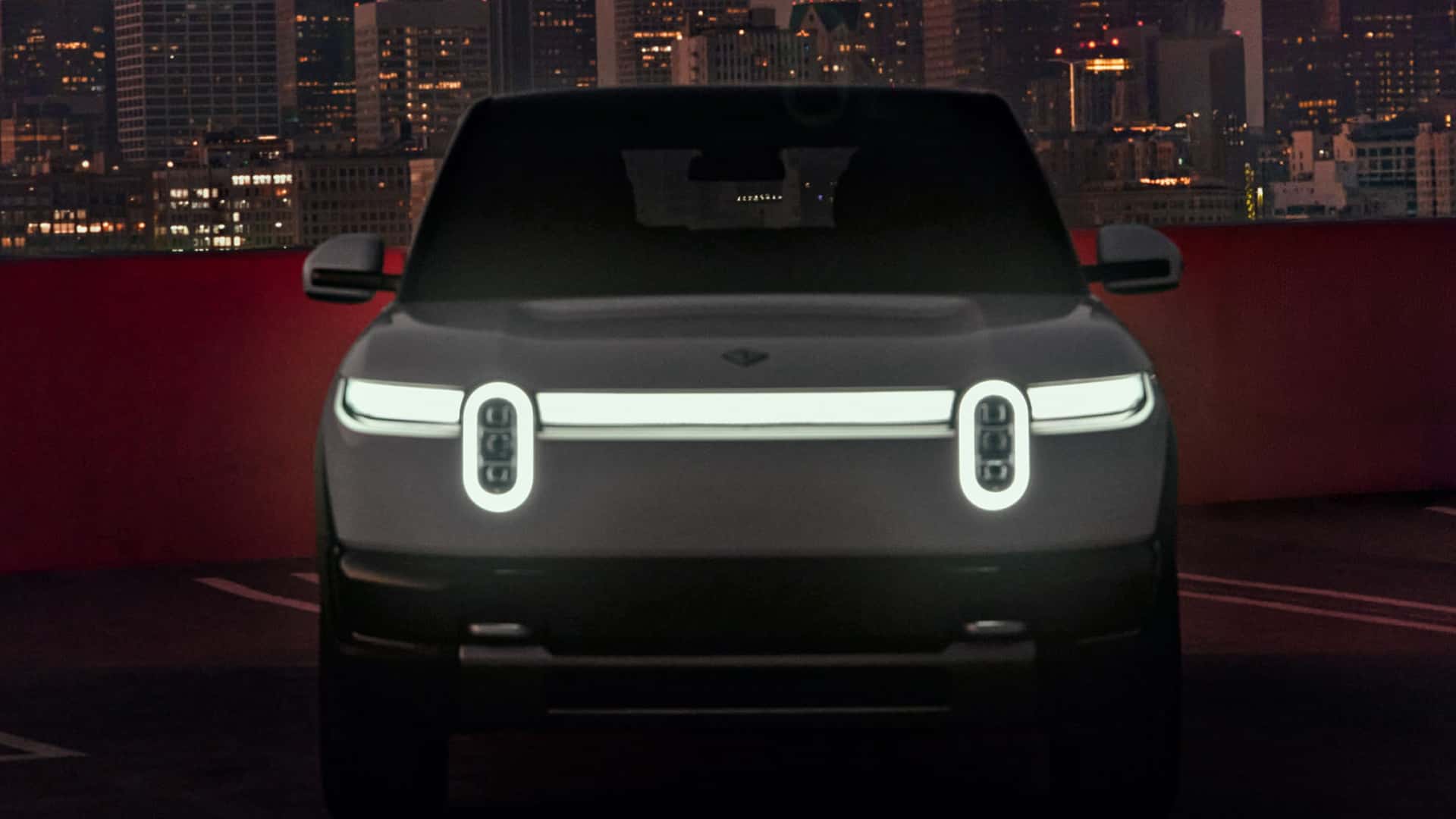
Rivian Secures Major Deal with Uber for 50,000 R2 Robotaxis
Uber plans to invest up to $1.25 billion in Rivian over five years, with an initial order for 10,000 R2 robotaxis set to launch in select cities by 2028.
Rivian, the American electric vehicle manufacturer, has announced a significant partnership with ride-hailing giant Uber, aiming to deploy up to 50,000 of its R2 mid-size SUVs as fully autonomous robotaxis. This collaboration marks a pivotal moment for Rivian, potentially bolstering its market presence and accelerating its autonomous driving ambitions.
Under the terms of the agreement, Uber is set to invest as much as $1.25 billion in Rivian over the next five years. An initial commitment of $300 million has already been earmarked, subject to signing and regulatory approval.

Initial Deployment and Expansion Plans
The partnership includes an initial order for 10,000 Rivian R2 robotaxis. These vehicles are slated to begin operations exclusively through the Uber app, with the first deployments anticipated in San Francisco and Miami in 2028. This initial phase will serve as a critical testing ground for the autonomous technology and service integration.
Following the initial rollout, Rivian and Uber aim to expand the service to 25 cities across the United States and Canada, as well as in Europe, by the end of 2031. This ambitious expansion plan underscores the companies’ confidence in the R2’s capabilities and the growing market for autonomous ride-hailing services.
Investment and Future Options
The agreement details that Uber, along with its fleet partners, will purchase the initial 10,000 R2 robotaxis. Crucially, Uber holds the option to acquire an additional 40,000 R2 vehicles starting in 2030, contingent on the successful integration and performance of the first batch.
This substantial investment from Uber provides Rivian with vital financial backing and a significant customer commitment, helping to diversify its revenue streams beyond direct consumer sales.
Rivian’s Autonomous Technology
While the specifics of the autonomy platform for the Uber R2s are not fully detailed, the vehicles are expected to leverage advanced driver-assistance systems. Rivian recently unveiled its third-generation autonomy platform, which features a sophisticated suite of sensors, including 11 65-megapixel cameras, 5 radars, and 1 lidar. This setup is designed to create a comprehensive 360-degree view of the vehicle’s surroundings without reliance on pre-mapped data.
The processing power for this system is handled by Rivian’s proprietary RAP1 chips, capable of delivering 1,600 TOPS of compute performance. This advanced technological foundation is key to Rivian’s pursuit of Level 4 autonomy, a goal that RJ Scaringe, Rivian’s founder and CEO, highlighted as a core objective of the Uber partnership. “It will help accelerate our path to Level 4 autonomy to create one of the safest and most convenient autonomous platforms in the world,” Scaringe stated.

It remains to be seen if the initial Uber R2 units will feature the latest sensor suite. The company indicated that the R2 SUV, expected to be available to consumers in late 2026, would incorporate this advanced system. The first R2 vehicles are being manufactured at Rivian’s plant in Normal, Illinois.
Rivian’s Strategic Partnerships
This collaboration with Uber follows a pattern of strategic alliances for Rivian, which has previously secured major deals with Amazon for electric delivery vans and with the Volkswagen Group. These partnerships are crucial for Rivian as it navigates the competitive EV market, particularly after facing challenges with the high price points of its flagship R1S and R1T models.
By integrating its vehicles into large-scale fleet operations like Uber’s, Rivian aims to increase production volumes, enhance brand visibility, and secure a more stable financial future. The R2, positioned as a more accessible and versatile offering compared to its predecessors, is central to this strategy.
Market Context and Future Outlook
The deal between Rivian and Uber arrives at a time of significant evolution in the mobility sector. As both companies push the boundaries of autonomous driving and ride-sharing technology, this partnership could set a precedent for future collaborations between EV manufacturers and mobility service providers.
The successful deployment of 50,000 autonomous R2 vehicles on the Uber platform would represent a substantial leap forward for autonomous ride-hailing and a major victory for Rivian in establishing its autonomous vehicle division.