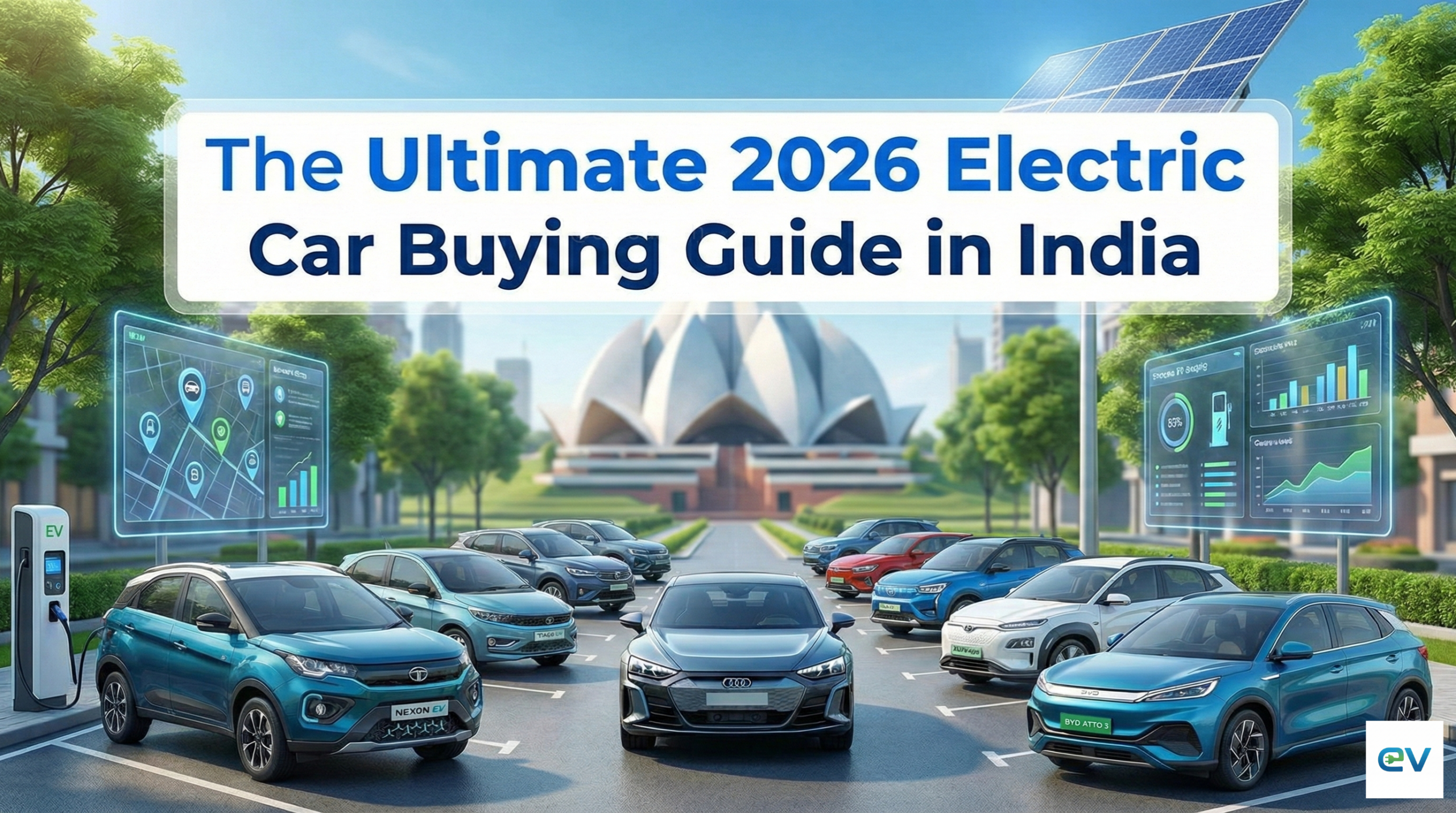
The Ultimate 2026 Electric Car Buying Guide in India (evtoday.in के लिए एक विस्तृत, एक्सपर्ट गाइड) भारत का EV मार्केट 2026 में एक नए मोड़ पर खड़ा है। PM E-DRIVE scheme, state subsidies, बढ़ती fuel prices और improving charging infrastructure ने electric cars को “future option” से “present reality” बना दिया है। लेकिन ground reality ये भी है कि हर EV हर buyer के लिए सही नहीं होती। मैं पिछले एक दशक से Indian electric mobility space को cover कर रहा हूँ — launch events से लेकर Ladakh highway runs तक। 2026 में EV खरीदना आसान है, पर सही EV चुनना अभी भी थोड़ा complex है। इस गाइड में हम वही clarity देने वाले हैं। 1. 2026 में EV क्यों समझदारी भरा फैसला हो सकता है? Market Context PM E-DRIVE scheme के तहत demand incentives State subsidies (Delhi, Maharashtra, Gujarat आदि) Petrol ₹110+ और Diesel ₹95+ का psychological pressure Corporate fleets और cab aggregators की EV adoption लेकिन EV खरीदना सिर्फ subsidy का decision नहीं है। आपको समझना होगा: आपकी daily driving pattern क्या है? Apartment charging possible है या नहीं? Highway trips कितनी frequent हैं? Resale value concern है या long-term ownership? 2. Battery Pack: EV का Heart LFP vs NMC – कौन बेहतर है? 🔋 LFP (Lithium Iron Phosphate) Pros: Thermal stability ज्यादा Indian summers (45°C) में comparatively safe Long cycle life Cons: Energy density थोड़ी कम Same size में कम Range 🔋 NMC (Nickel Manganese Cobalt) Pros: Higher energy density ज्यादा Range possible Performance oriented Cons: High temperature में ज्यादा stress Costlier Indian Context क्यों ज़रूरी है? भारत में: 45°C summer heat Pothole-heavy roads Bumper-to-bumper traffic Thermal management system (Liquid Cooling vs Air Cooling) critical हो जाता है। Liquid-cooled battery pack Indian climate के लिए ज्यादा suitable है — खासकर अगर आप NCR, Rajasthan, Maharashtra जैसे गर्म राज्यों में रहते हैं। 3. Real-World Range vs Claimed Range Manufacturers जो range claim करते हैं (MIDC, ARAI, WLTP), वो ideal conditions में होता है। Example: Claimed Range: 500 km Real World (City): 420–450 km Real World (Highway @ 100 km/h): 350–380 km Range को affect करने वाले factors: AC usage Driving style Highway speed Full load passengers Tyre pressure Rule of Thumb: Claimed range का 75–85% practical मानें। 4. Charging Infrastructure Reality Check (2026) Home Charging 3.3 kW AC charger: 8–10 घंटे 7.2 kW wallbox: 5–6 घंटे Apartment buyers के लिए biggest challenge: RWA permissions Dedicated meter issues Parking allocation DC Fast Charging 30–60 minutes (20% से 80%) 50 kW से 120 kW तक chargers common लेकिन ground reality: Tier-2 cities में charging density अभी uneven है कुछ highways पर chargers working condition में नहीं मिलते Pro Tip: EV खरीदने से पहले PlugShare / Tata Power EZ Charge app check करें। 5. Total Cost of Ownership (TCO) – असली खेल यहीं है EV महंगी लगती है upfront, पर 5 साल का calculation अलग कहानी बताता है। Running Cost Comparison (Approx) Factor Petrol SUV EV SUV Fuel Cost / km ₹8–9 ₹1–1.5 Service Cost (5 yrs) ₹40,000+ ₹15,000–20,000 Engine Oil Yes No Clutch Yes No Subsidy Impact Delhi: Road tax + registration waiver Maharashtra: State incentive per kWh Gujarat: Direct subsidy benefit PM E-DRIVE scheme के तहत price difference और कम हुआ है। 5-Year TCO Example: अगर आप सालाना 15,000 km चलाते हैं: Petrol Car Fuel Cost (5 साल): ₹6–7 लाख EV Electricity Cost (5 साल): ₹1–1.2 लाख Difference: ₹4–5 लाख saving possible। 6. Safety & Indian Road Conditions Indian roads = Speed breakers without markings Deep potholes Water-logged streets Check These Before Buying: Ground Clearance (minimum 190mm recommended) IP rating of battery pack BNCAP safety rating Underbody protection Flood-prone areas (Mumbai, Chennai) में battery sealing quality critical है। 7. Resale Value & Battery Warranty 2026 में resale concern कम हुआ है, लेकिन: Battery warranty ideally 8 साल / 1.6 लाख km Software updates over-the-air (OTA) Brand service network Established brands का resale confidence ज्यादा है। 8. Practical Buying Checklist (Middle-Class Buyer Focused) ✔ Daily commute < 50 km? ✔ Home charging available? ✔ 5 साल ownership plan? ✔ Budget ₹12–20 lakh? ✔ Long highway trips occasional हैं? अगर इनका जवाब “हाँ” है — EV strong option है। 9. EV Buyer Personas – किसके लिए क्या सही? 🏙 City Driver (Office commute 20–40 km daily) Ideal: 30–40 kWh battery 300–400 km claimed range AC charging sufficient क्यों? Silent drive Low running cost Traffic में regenerative braking फायदा देती है 🛣 Highway Traveler (Frequent intercity trips) Ideal: 45–60 kWh battery 450–500 km claimed range 100 kW+ fast charging support क्यों? कम charging stops Better peace of mind लेकिन charging planning mandatory है। 🏢 Apartment Resident (RWA issues possible) पहले charging permission confirm करें Portable charger backup रखें Nearby public charger map check करें 10. Common Myths vs Reality (2026 Edition) ❌ Battery 3 साल में खराब हो जाती है ✔ Reality: Proper thermal management के साथ 8+ साल easily ❌ EV पानी में खराब हो जाएगी ✔ Reality: IP67/IP68 rated battery packs safe हैं (limit के अंदर) ❌ Charging stations नहीं हैं ✔ Reality: Major highways covered हैं, लेकिन Tier-3 areas में अभी expansion चल रहा है। 11. What You Should Test Drive Carefully Test drive सिर्फ acceleration देखने के लिए नहीं है। ध्यान दें: Regenerative braking feel Suspension over potholes Cabin insulation Software interface speed Fast charger compatibility 12. 2026 EV Buying Strategy Step-by-Step: Daily usage calculate करें Charging availability verify करें State subsidy check करें 5-year TCO calculate करें Safety rating compare करें Insurance premium compare करें Final Verdict: 2026 में EV किसे खरीदनी चाहिए? ✔ Strong Recommendation: Urban middle-class family Stable parking + charging 5+ साल ownership mindset ₹12–25 लाख budget ⚠ Think Twice: No fixed parking Weekly 400 km highway trips Rural area with limited charging Conclusion 2026 में EV खरीदना अब “experiment” नहीं है। यह एक financially sensible और environmentally responsible decision हो सकता है — लेकिन condition ये है कि आप informed decision लें। EV सिर्फ Range नहीं है। यह है — Battery Technology + Thermal Management + Charging Ecosystem + TCO + Indian Road Reality का combination। अगर आप इन सभी factors को ध्यान में रखकर decision लेते हैं, तो आपकी electric journey smooth और stress-free होगी।

भारत का EV मार्केट 2026 में एक नए मोड़ पर खड़ा है। PM E-DRIVE scheme, state subsidies, बढ़ती fuel prices और improving charging infrastructure ने electric cars को “future option” से “present reality” बना दिया है। लेकिन ground reality ये भी है कि हर EV हर buyer के लिए सही नहीं होती।

मैं पिछले एक दशक से Indian electric mobility space को cover कर रहा हूँ — launch events से लेकर Ladakh highway runs तक। 2026 में EV खरीदना आसान है, पर सही EV चुनना अभी भी थोड़ा complex है। इस गाइड में हम वही clarity देने वाले हैं।
1. 2026 में EV क्यों समझदारी भरा फैसला हो सकता है?

Market Context

  • PM E-DRIVE scheme के तहत demand incentives
  • State subsidies (Delhi, Maharashtra, Gujarat आदि)
  • Petrol ₹110+ और Diesel ₹95+ का psychological pressure
  • Corporate fleets और cab aggregators की EV adoption

लेकिन EV खरीदना सिर्फ subsidy का decision नहीं है। आपको समझना होगा:

  • आपकी daily driving pattern क्या है?
  • Apartment charging possible है या नहीं?
  • Highway trips कितनी frequent हैं?
  • Resale value concern है या long-term ownership?

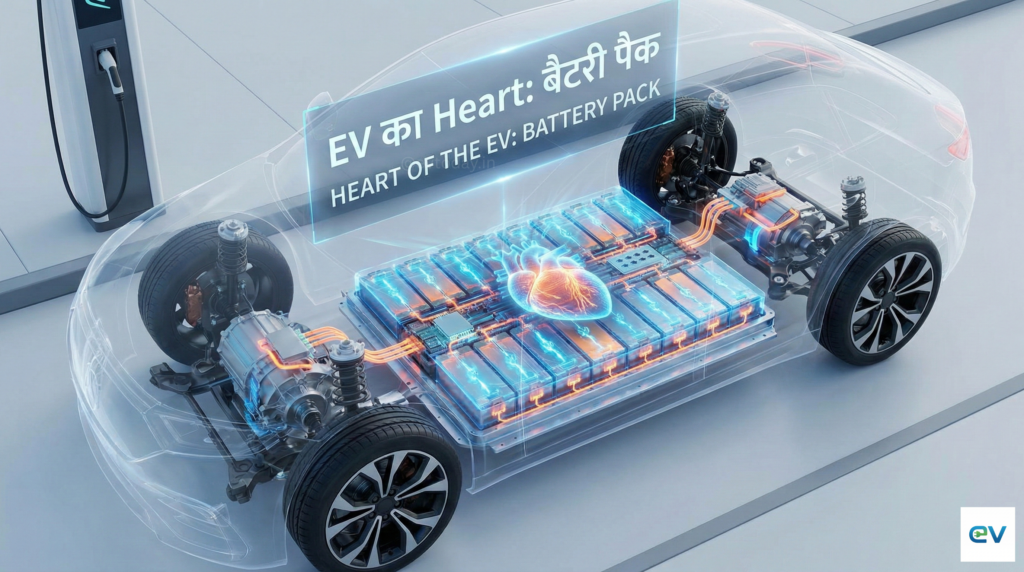
2. Battery Pack: EV का Heart

LFP vs NMC – कौन बेहतर है?
The Ultimate 2026 Electric Car Buying Guide in India

🔋 LFP (Lithium Iron Phosphate)

Pros:

  • Thermal stability ज्यादा
  • Indian summers (45°C) में comparatively safe
  • Long cycle life

Cons:

  • Energy density थोड़ी कम
  • Same size में कम Range

🔋 NMC (Nickel Manganese Cobalt)

Pros:

  • Higher energy density
  • ज्यादा Range possible
  • Performance oriented

Cons:

  • High temperature में ज्यादा stress
  • Costlier

Indian Context क्यों ज़रूरी है?

भारत में:

  • 45°C summer heat
  • Pothole-heavy roads
  • Bumper-to-bumper traffic

Thermal management system (Liquid Cooling vs Air Cooling) critical हो जाता है। Liquid-cooled battery pack Indian climate के लिए ज्यादा suitable है — खासकर अगर आप NCR, Rajasthan, Maharashtra जैसे गर्म राज्यों में रहते हैं।

3. Real-World Range vs Claimed Range

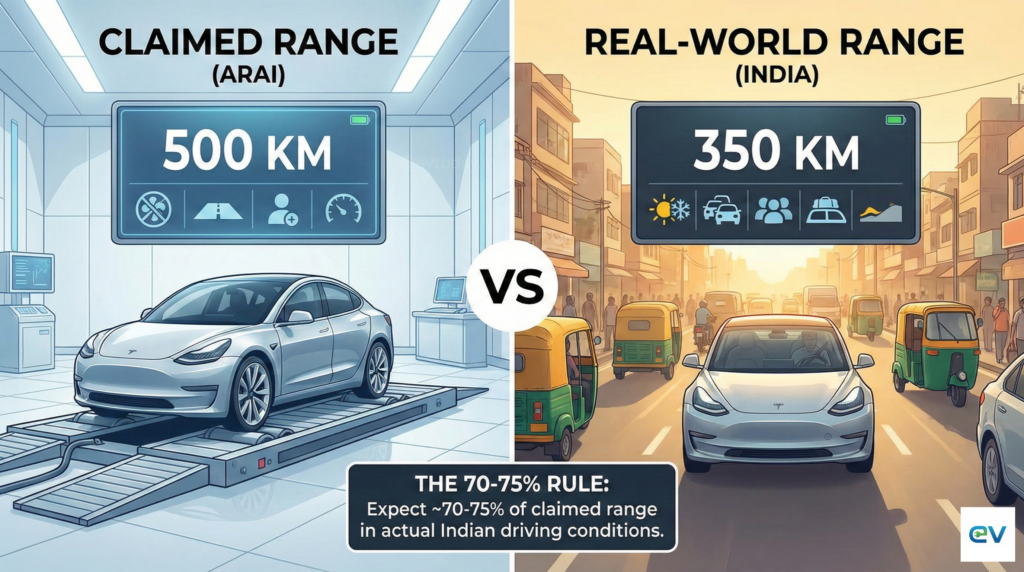
Manufacturers जो range claim करते हैं (MIDC, ARAI, WLTP), वो ideal conditions में होता है।
The Ultimate 2026 Electric Car Buying Guide in India

Example:

  • Claimed Range: 500 km
  • Real World (City): 420–450 km
  • Real World (Highway @ 100 km/h): 350–380 km

Range को affect करने वाले factors:

  • AC usage
  • Driving style
  • Highway speed
  • Full load passengers
  • Tyre pressure

Rule of Thumb: Claimed range का 75–85% practical मानें।

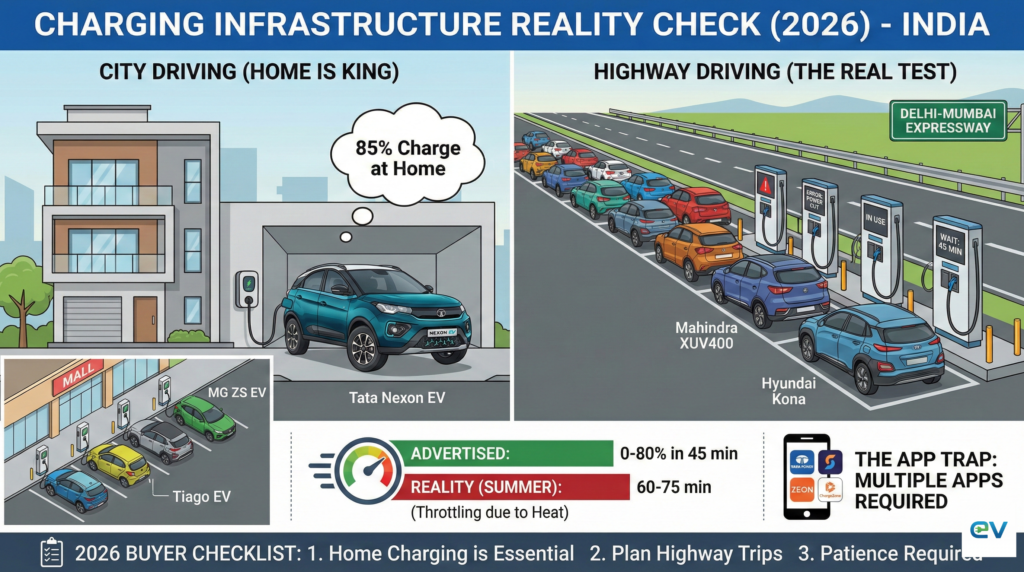
4. Charging Infrastructure Reality Check (2026)
The Ultimate 2026 Electric Car Buying Guide in India

Home Charging

  • 3.3 kW AC charger: 8–10 घंटे
  • 7.2 kW wallbox: 5–6 घंटे

Apartment buyers के लिए biggest challenge:
  • RWA permissions
  • Dedicated meter issues
  • Parking allocation

DC Fast Charging

  • 30–60 minutes (20% से 80%)
  • 50 kW से 120 kW तक chargers common

लेकिन ground reality:

  • Tier-2 cities में charging density अभी uneven है
  • कुछ highways पर chargers working condition में नहीं मिलते

Pro Tip: EV खरीदने से पहले PlugShare / Tata Power EZ Charge app check करें।

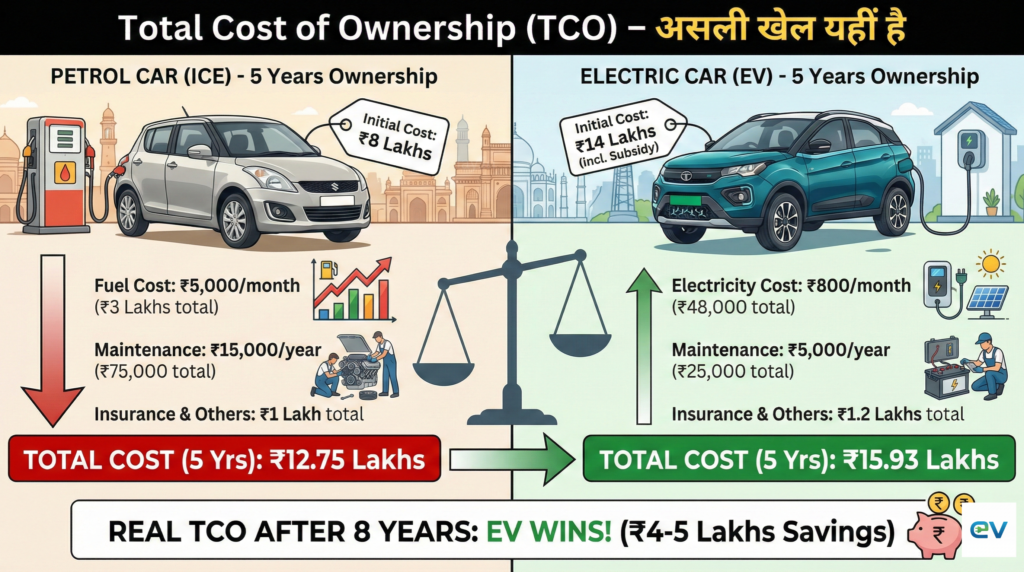
5. Total Cost of Ownership (TCO) – असली खेल यहीं है

EV महंगी लगती है upfront, पर 5 साल का calculation अलग कहानी बताता है।
The Ultimate 2026 Electric Car Buying Guide in India

Running Cost Comparison (Approx)

FactorPetrol SUVEV SUV
Fuel Cost / km₹8–9₹1–1.5
Service Cost (5 yrs)₹40,000+₹15,000–20,000
Engine OilYesNo
ClutchYesNo

Subsidy Impact

  • Delhi: Road tax + registration waiver
  • Maharashtra: State incentive per kWh
  • Gujarat: Direct subsidy benefit

PM E-DRIVE scheme के तहत price difference और कम हुआ है।

5-Year TCO Example:

अगर आप सालाना 15,000 km चलाते हैं:

  • Petrol Car Fuel Cost (5 साल): ₹6–7 लाख
  • EV Electricity Cost (5 साल): ₹1–1.2 लाख

Difference: ₹4–5 लाख saving possible।

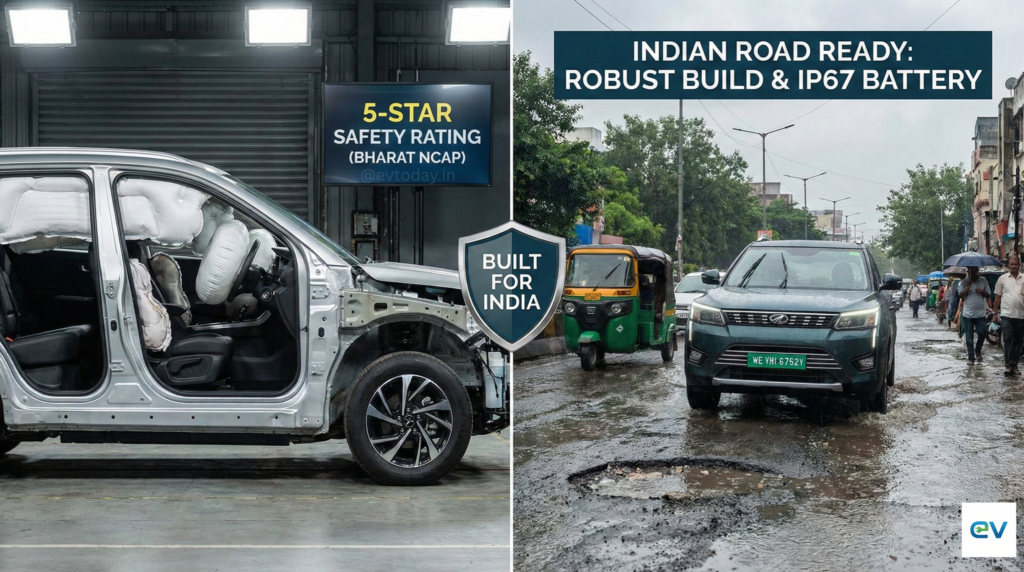
6. Safety & Indian Road Conditions
The Ultimate 2026 Electric Car Buying Guide in India

Indian roads =

  • Speed breakers without markings
  • Deep potholes
  • Water-logged streets

Check These Before Buying:

  • Ground Clearance (minimum 190mm recommended)
  • IP rating of battery pack
  • BNCAP safety rating
  • Underbody protection

Flood-prone areas (Mumbai, Chennai) में battery sealing quality critical है।

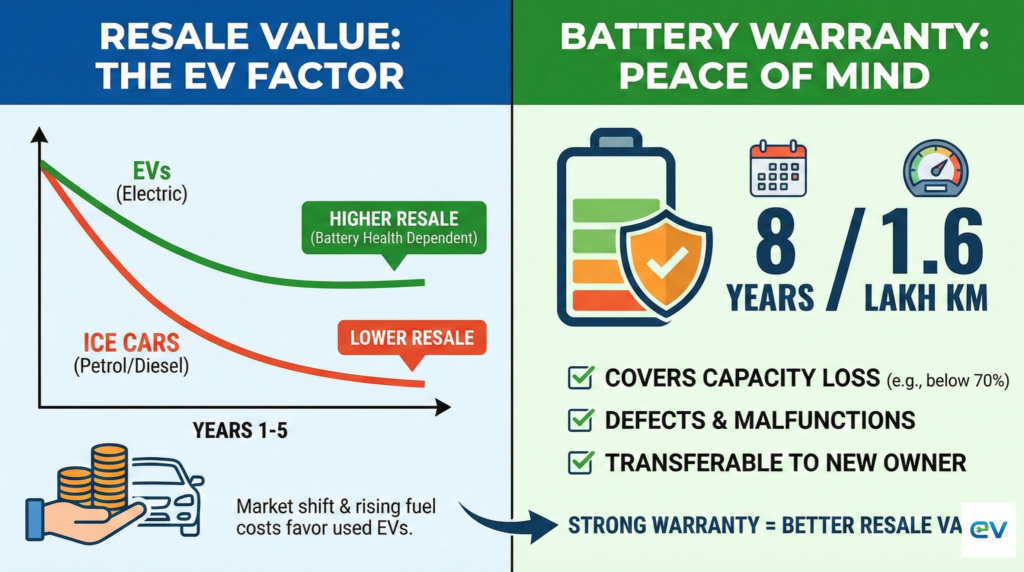
7. Resale Value & Battery Warranty
The Ultimate 2026 Electric Car Buying Guide in India

2026 में resale concern कम हुआ है, लेकिन:

  • Battery warranty ideally 8 साल / 1.6 लाख km
  • Software updates over-the-air (OTA)
  • Brand service network

Established brands का resale confidence ज्यादा है।

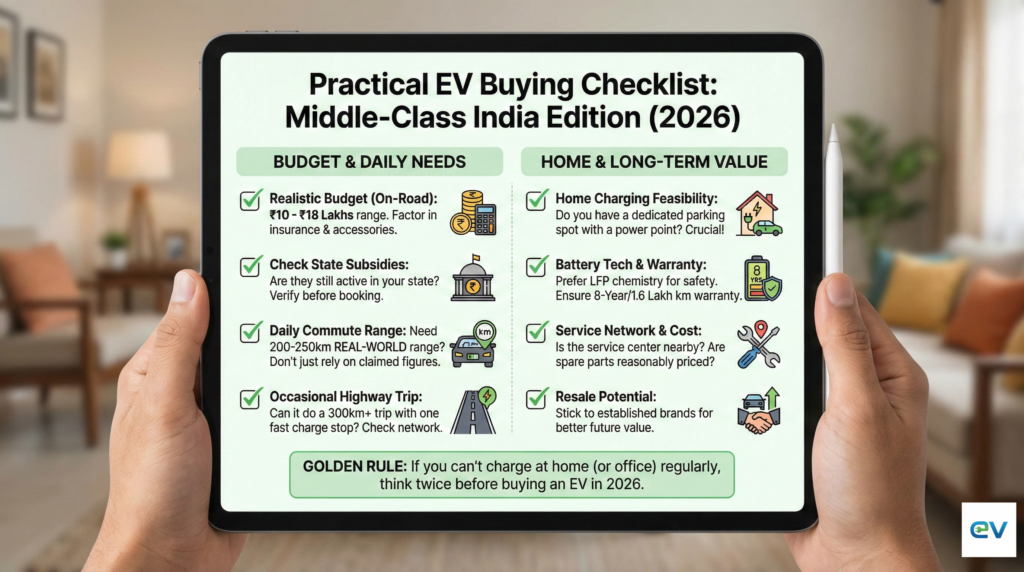
8. Practical Buying Checklist (Middle-Class Buyer Focused)
The Ultimate 2026 Electric Car Buying Guide in India

✔ Daily commute < 50 km?
✔ Home charging available?
✔ 5 साल ownership plan?
✔ Budget ₹12–20 lakh?
✔ Long highway trips occasional हैं?

अगर इनका जवाब “हाँ” है — EV strong option है।

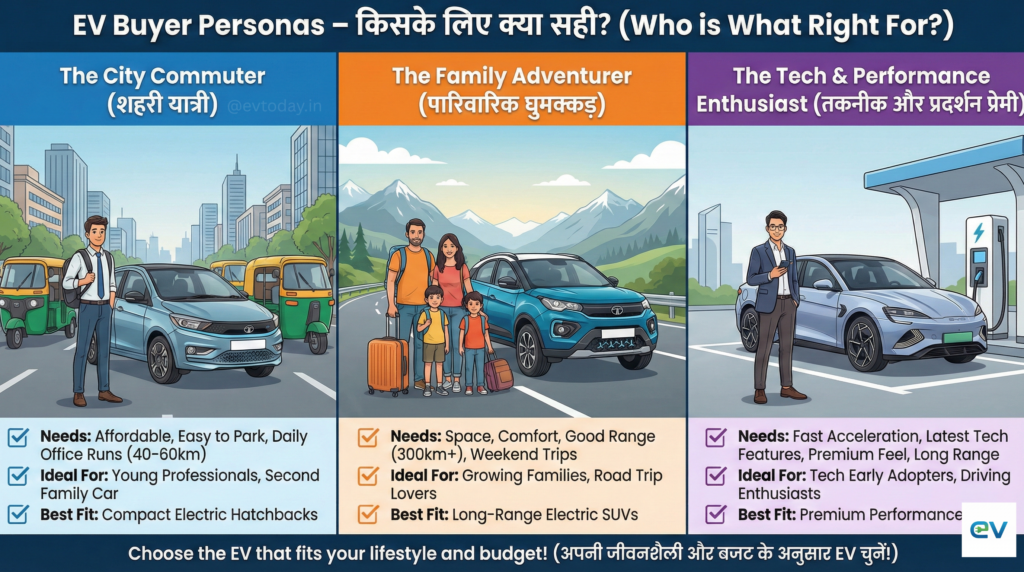
9. EV Buyer Personas – किसके लिए क्या सही?

🏙 City Driver (Office commute 20–40 km daily)
The Ultimate 2026 Electric Car Buying Guide in India

Ideal:

  • 30–40 kWh battery
  • 300–400 km claimed range
  • AC charging sufficient

क्यों?

  • Silent drive
  • Low running cost
  • Traffic में regenerative braking फायदा देती है

🛣 Highway Traveler (Frequent intercity trips)

Ideal:

  • 45–60 kWh battery
  • 450–500 km claimed range
  • 100 kW+ fast charging support

क्यों?

  • कम charging stops
  • Better peace of mind

लेकिन charging planning mandatory है।

🏢 Apartment Resident (RWA issues possible)

  • पहले charging permission confirm करें
  • Portable charger backup रखें
  • Nearby public charger map check करें

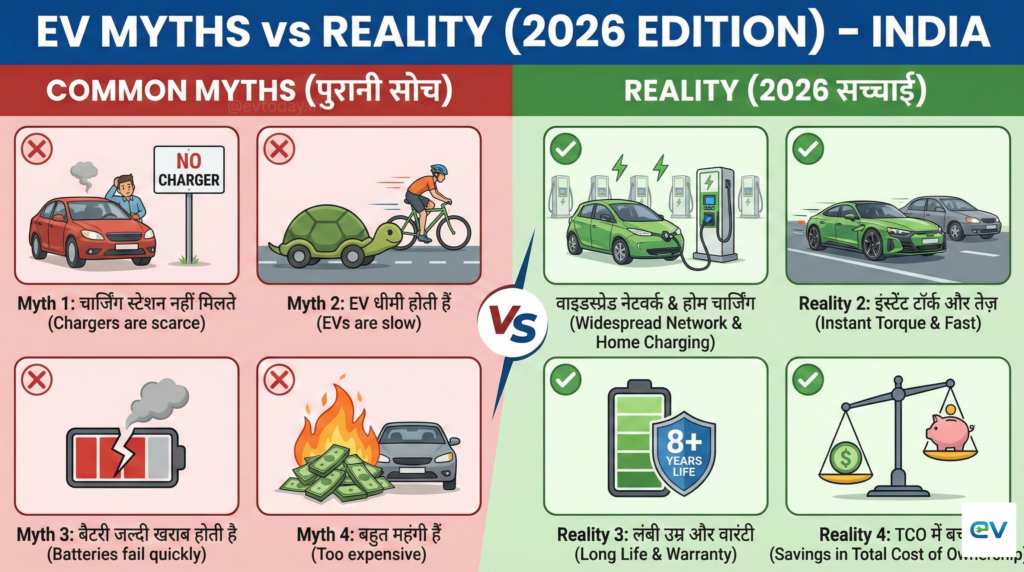
10. Common Myths vs Reality (2026 Edition)
The Ultimate 2026 Electric Car Buying Guide in India

❌ Battery 3 साल में खराब हो जाती है
✔ Reality: Proper thermal management के साथ 8+ साल easily

❌ EV पानी में खराब हो जाएगी
✔ Reality: IP67/IP68 rated battery packs safe हैं (limit के अंदर)

❌ Charging stations नहीं हैं
✔ Reality: Major highways covered हैं, लेकिन Tier-3 areas में अभी expansion चल रहा है।

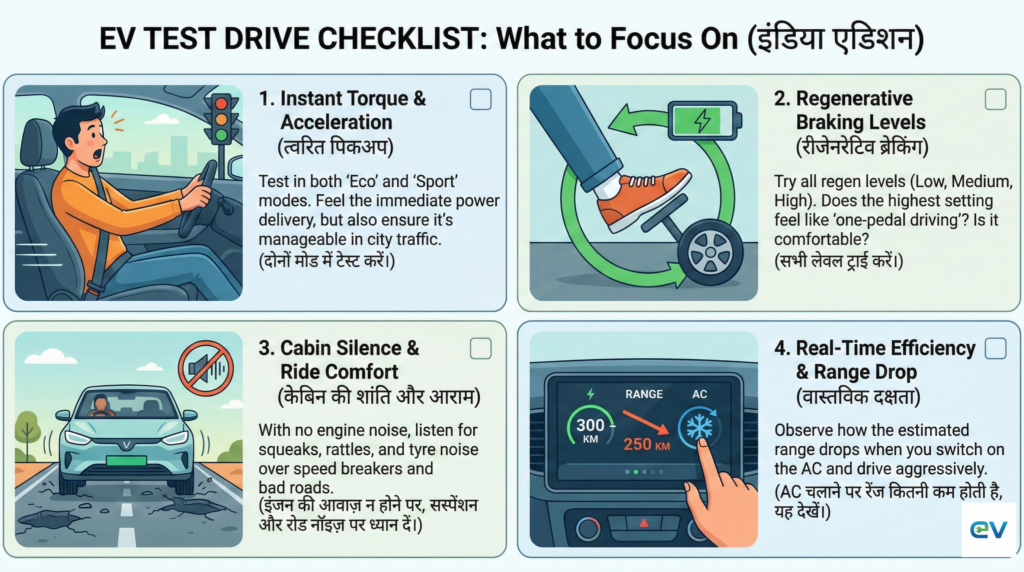
11. What You Should Test Drive Carefully

Test drive सिर्फ acceleration देखने के लिए नहीं है।
The Ultimate 2026 Electric Car Buying Guide in India

ध्यान दें:

  • Regenerative braking feel
  • Suspension over potholes
  • Cabin insulation
  • Software interface speed
  • Fast charger compatibility

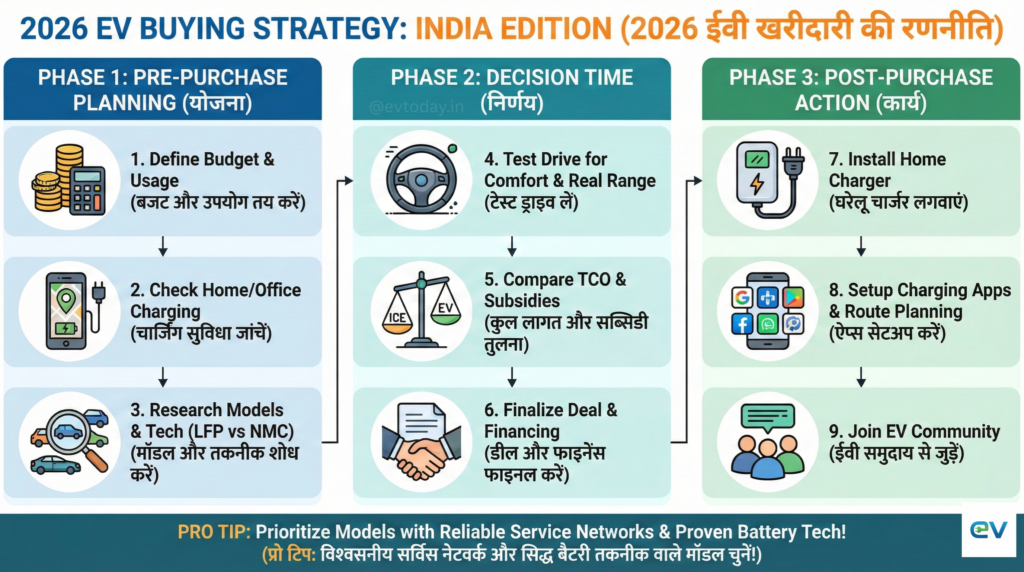
12. 2026 EV Buying Strategy
The Ultimate 2026 Electric Car Buying Guide in India

Step-by-Step:

  1. Daily usage calculate करें
  2. Charging availability verify करें
  3. State subsidy check करें
  4. 5-year TCO calculate करें
  5. Safety rating compare करें
  6. Insurance premium compare करें

Final Verdict: 2026 में EV किसे खरीदनी चाहिए?

✔ Strong Recommendation:

  • Urban middle-class family
  • Stable parking + charging
  • 5+ साल ownership mindset
  • ₹12–25 लाख budget

⚠ Think Twice:

  • No fixed parking
  • Weekly 400 km highway trips
  • Rural area with limited charging

Conclusion

2026 में EV खरीदना अब “experiment” नहीं है। यह एक financially sensible और environmentally responsible decision हो सकता है — लेकिन condition ये है कि आप informed decision लें।

EV सिर्फ Range नहीं है।
यह है — Battery Technology + Thermal Management + Charging Ecosystem + TCO + Indian Road Reality का combination।

अगर आप इन सभी factors को ध्यान में रखकर decision लेते हैं, तो आपकी electric journey smooth और stress-free होगी।