
Key Takeaways
- Volvo Trucks has introduced an extended-range version of its FH Aero Electric heavy-duty truck.
- A redesigned, more compact rear electric axle allows for increased battery capacity, boosting range.
- The FH Aero Electric With Extended Range is now capable of approximately 435 miles on a single charge.
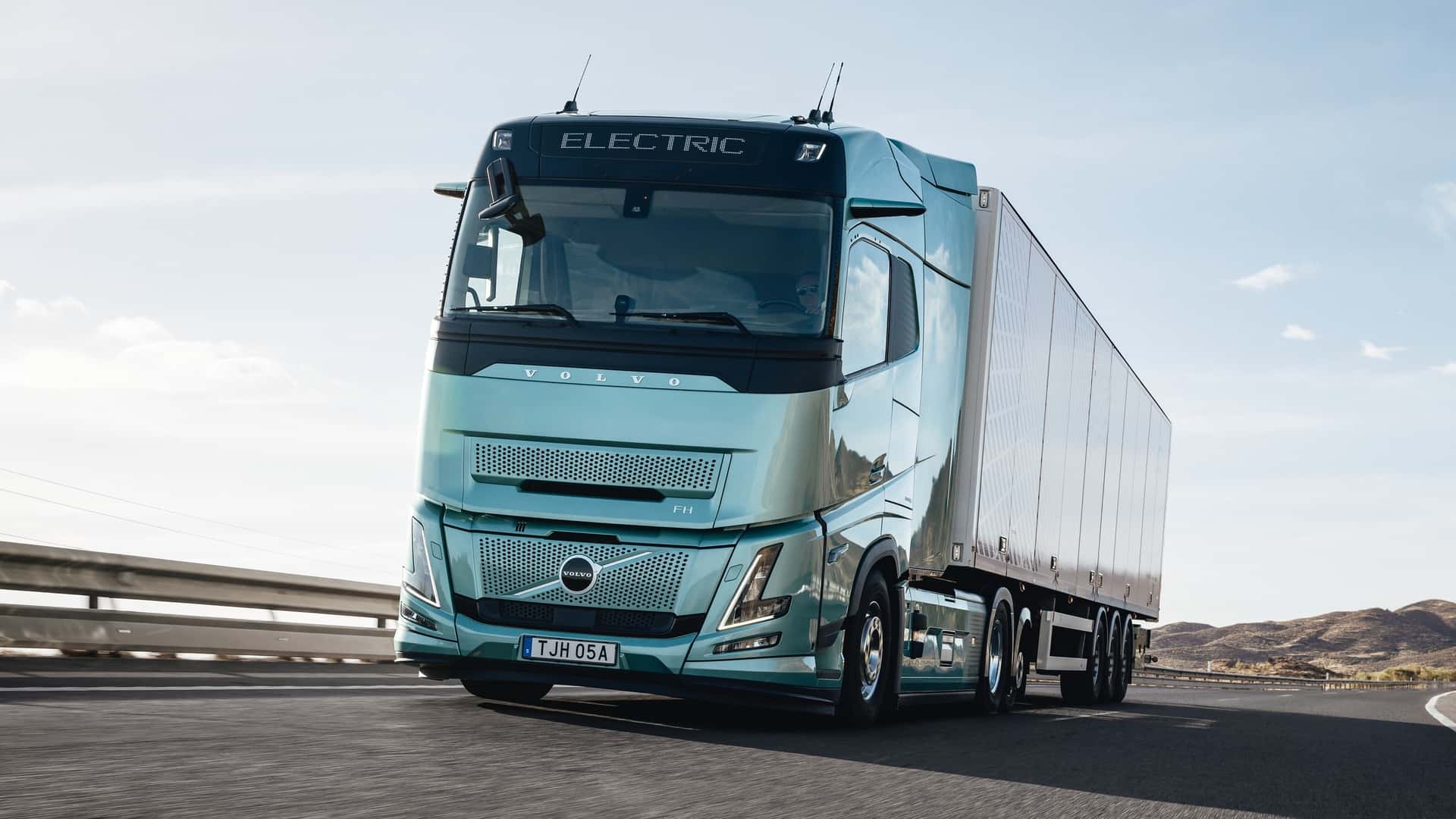
Volvo Trucks has significantly enhanced the long-haul capabilities of its flagship electric semi-trailer truck, unveiling a new version of the FH Aero Electric that now boasts an impressive range of over 400 miles. This updated model, dubbed the FH Aero Electric With Extended Range, can travel up to 435 miles (700 kilometers) on a full charge, marking a substantial improvement over its previous iteration.
Technological Advancements Drive Extended Range
The substantial increase in range is attributed to several key innovations. A newly developed, more compact rear electric axle is central to this upgrade. This redesigned axle cleverly integrates two electric motors, essential power electronics, and a six-speed transmission onto a single unit. This integration optimizes space within the chassis.

This efficient packaging of components on the e-axle frees up crucial space, enabling Volvo Trucks to install larger, higher-capacity battery packs. The extended-range FH Aero Electric can be configured with six or eight L-shaped battery packs, offering a maximum usable capacity of up to 725 kilowatt-hours (kWh).
In contrast, the standard FH Aero Electric truck is equipped with a maximum energy capacity of 540 kWh, providing a driving range of up to 373 miles (600 km). This new extended-range model effectively adds approximately 60 miles to the truck’s operational distance, making it more viable for longer freight routes.
Powertrain and Charging Capabilities
The new electric rear axle in the extended-range FH Aero Electric is available in two power output configurations: 570 horsepower (420 kilowatts) or 625 hp (460 kW). Both versions of the FH Aero Electric, including the standard and extended-range models, feature an electric power take-off (ePTO) option. This feature allows the truck to export energy directly from the battery to power external systems such as refrigeration units or hydraulic pumps, enhancing operational versatility.
Charging infrastructure is critical for electric trucks, and Volvo has equipped the new 435-mile model with an MCS (Megawatt Charging System) charging connector. This allows the truck to accept exceptionally high charging power, up to 700 kW, when connected to a sufficiently powerful charger. Volvo claims that using a megawatt-capable DC fast charger, the extended-range FH Aero can replenish its battery from 20% to 80% in approximately 50 minutes.
For charging infrastructure that may not yet support megawatt speeds, the truck can also utilize a 350 kW CCS fast charger. In this scenario, achieving an 80% charge from a low state would take roughly 85 minutes. These charging times are crucial for minimizing downtime in commercial logistics operations.
Payload, Configuration, and Market Positioning
Volvo Trucks reports that the new long-range FH Aero Electric model is designed for a Gross Combination Weight (GCW) of up to 48 tonnes. The payload capacity is rated at up to 28 tonnes. For this configuration, Volvo offers a single 6×2 axle setup, which includes a lightweight tax axle for optimized weight distribution.

The cab options for this model include the standard Globetrotter and the larger Globetrotter XL versions, providing driver comfort for long-haul journeys. While the extended-range model is optimized for maximum distance hauling, Volvo acknowledges that the trucking industry has diverse needs.
Versatility of the Standard FH Aero Electric
The company continues to offer its regular FH Aero Electric model, which, despite its shorter range, provides greater flexibility for different applications. This standard version can accommodate a higher GCW of up to 65 tonnes and offers a wider array of axle configurations, including 4×2 and 8×4 options. This versatility ensures that Volvo can meet a broad spectrum of customer requirements, from regional distribution to heavy-duty regional haulage.
The strategic introduction of the extended-range FH Aero Electric addresses a key concern for fleet operators: range anxiety. By pushing the boundaries of electric truck range, Volvo aims to accelerate the adoption of electric mobility in the heavy-duty transport sector, contributing to reduced emissions and a more sustainable future for logistics.
FAQ
Q1: What is the new range of Volvo’s FH Aero Electric truck?
The extended-range version of the Volvo FH Aero Electric truck can now travel up to 435 miles (700 kilometers) on a single full charge, a significant increase from previous models.

Q2: What technology enables the increased range?
A redesigned, more compact electric rear axle allows for the integration of more batteries, thereby increasing the total energy capacity and extending the truck’s operational range.
Q3: What is the maximum battery capacity for this model?
The extended-range FH Aero Electric can be equipped with up to 725 kilowatt-hours (kWh) of usable battery capacity.
Q4: How fast can the new Volvo electric truck charge?
With a compatible megawatt charger, the truck can charge from 20% to 80% in about 50 minutes. Using a 350 kW CCS charger, this charge level takes approximately 85 minutes.
Q5: What is the Gross Combination Weight (GCW) for the extended-range model?
The new long-range model has a GCW of up to 48 tonnes, with a payload capacity of up to 28 tonnes.
Q6: Are there different configuration options available?
Yes, the extended-range model is offered in a 6×2 configuration with a lightweight tax axle. Cab options include Globetrotter and Globetrotter XL.
Q7: How does the extended-range model compare to the standard FH Aero Electric?
The standard model offers a shorter range (up to 373 miles) but supports a higher GCW (up to 65 tonnes) and more axle configurations, providing greater versatility for various transport needs.
Q8: What type of charging connector does the truck use for high-speed charging?
The truck is equipped with an MCS (Megawatt Charging System) connector for ultra-fast charging capabilities.