
Key Takeaways
- Hyundai’s U.S. electric vehicle sales experienced a significant 40% increase between February and March, according to the company’s CEO.
- José Muñoz, CEO of Hyundai Motor Company, directly linked this sales growth to the recent escalation in gasoline prices.
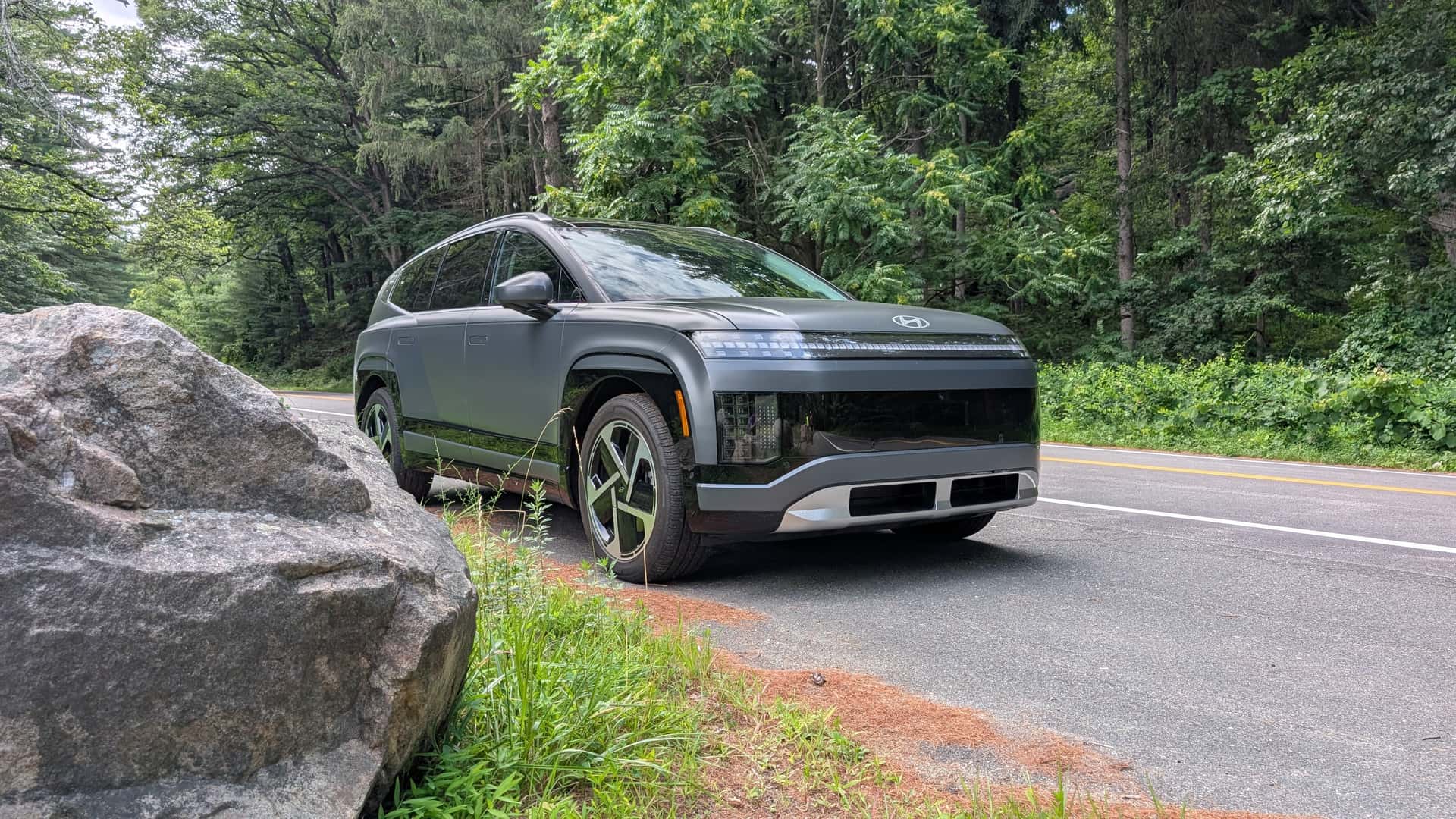
- The Hyundai Ioniq 5 remains a top-selling electric vehicle in the U.S. market, even amidst broader industry challenges.
Rising Fuel Costs Impact Consumer Behavior
Persistent high gasoline prices, exacerbated by geopolitical tensions, are beginning to influence American consumer choices, with early indicators suggesting a renewed interest in electric vehicles (EVs). While the broader U.S. EV market has faced headwinds, Hyundai reports a noticeable uptick in its electric model sales.
José Muñoz, CEO of Hyundai Motor Company, stated that the automaker’s U.S. EV sales saw a substantial 40% surge from February to March. He attributes this growth directly to the rising cost of fuel at the pump, a trend he believes is prompting consumers to seek more economical alternatives.

“We have seen a significant change in the dynamic,” Muñoz commented in a recent interview with Bloomberg Television. “So definitely, when the American consumer sees an increase in fuel prices they try to move to solutions which are more friendly in terms of cost, especially in states like California.”
Hyundai’s Electric Models See Notable Sales Gains
The Hyundai Ioniq 5, an all-electric crossover, was a primary driver of this growth. In March, sales of the Ioniq 5 increased by 27% compared to February, reaching 4,425 units. This performance positioned the Ioniq 5 as the second best-selling non-Tesla EV in the U.S. during the first quarter of the year, trailing only the Toyota bZ4X.
Further bolstering Hyundai’s electric portfolio, sales of the larger Ioniq 9 also saw a significant jump. The company reported a more than 40% increase, with sales rising from 505 vehicles in February to 905 units in March.
Broader Market Context and Geopolitical Influence
The surge in Hyundai’s EV sales occurs against a backdrop of elevated gasoline prices. The average price for a gallon of regular gasoline in the U.S. surpassed the $4 mark towards the end of March and has remained above this threshold. Analysts predict these prices will stay elevated for an extended period.
This pricing trend is closely linked to the ongoing conflict involving Iran, which has disrupted global oil supply routes. The Strait of Hormuz, a critical chokepoint for approximately a quarter of the world’s oil, has been affected, leading the International Energy Agency to describe the situation as the “largest energy crisis we have ever faced.”
Expert and Advocacy Group Perspectives
Industry observers and advocacy groups have also noted increased consumer interest in electric and hybrid vehicles. Marketplaces like Edmunds have reported a rise in inquiries about EV options since the geopolitical tensions escalated. Ingrid Malmgren, senior policy director at Plug In America, an EV advocacy organization, believes that high gas prices are a powerful catalyst for adopting greener transportation.

Malmgren pointed to a recent Pew survey indicating that 32% of Americans are seriously considering an EV for their next vehicle purchase. “As they’re seeing these gas prices and paying $100 to fill up their vehicle, it’s a really strong driver,” she stated.
While acknowledging that not all of Hyundai’s sales gains can be solely attributed to fuel costs, Muñoz views the current price situation as a significant positive factor for the company’s EV strategy. He emphasized that the market is showing signs of a shift towards more cost-effective and environmentally friendly solutions.
EV Market Challenges and Hyundai’s Strategy
The recent uptick in EV interest comes at a crucial time for the industry. U.S. EV sales overall experienced a decline of 27% in the first quarter, according to Cox Automotive estimates. This downturn has been attributed to factors such as the phasing out of federal EV tax credits and other policy shifts.
Despite broader market fluctuations, Hyundai has maintained its commitment to the electric vehicle sector, in contrast to some competitors who have scaled back their EV plans. While Hyundai did discontinue the slow-selling Ioniq 6 sedan, it has increasingly focused on its hybrid offerings alongside its EV lineup.
Muñoz expressed a distinct view on the future of EVs compared to other automakers. Speaking at a recent CNBC event, he conceded that EVs might not reach the 50% or 60% market share in the U.S. by the end of the decade as previously projected by Hyundai. However, he remains confident in continued EV sales growth.
“We’re going to see probably something like 10 to 15, which is good enough to commit to this technology,” Muñoz stated, indicating a realistic yet optimistic outlook for EV adoption in the coming years.
Frequently Asked Questions
What is causing the increase in Hyundai’s EV sales?
Hyundai’s CEO, José Muñoz, attributes a 40% increase in U.S. EV sales from February to March directly to the rise in gasoline prices, suggesting consumers are seeking more fuel-efficient options.
Which Hyundai electric models saw sales growth?
The Hyundai Ioniq 5 saw a 27% sales increase, selling 4,425 units in March. The Ioniq 9 also experienced significant growth, with sales rising by over 40% to 905 units in the same month.
How have gas prices changed recently?
The average price for a gallon of regular gasoline crossed $4 at the end of March and has remained above this level, influenced by geopolitical events affecting global oil supply.
What is the overall trend in the U.S. EV market?
Despite Hyundai’s gains, overall U.S. EV sales fell by 27% in the first quarter, facing challenges from the end of tax credits and other policy changes.
What is Hyundai’s long-term outlook on EVs?
Hyundai’s CEO believes EV market share in the U.S. might settle around 10-15% by the end of the decade, a revision from earlier, more ambitious forecasts, but still sufficient to warrant continued investment in the technology.
Are other automakers seeing similar EV sales increases due to gas prices?
While the original article focuses on Hyundai, the CEO’s statement and expert opinions suggest a broader trend of increased consumer interest in EVs and hybrids driven by high fuel costs.
What is Plug In America’s stance on high gas prices and EV adoption?
Ingrid Malmgren of Plug In America believes high gas prices are a strong motivator for consumers to consider EVs, hybrids, and plug-in hybrids, citing survey data showing significant consumer interest.