
Key Takeaways
The ongoing Middle East conflict, which began on February 28, 2026, is creating significant logistical and cost challenges for the Indian automotive sector. Disruptions to global shipping routes, particularly the closure of the Strait of Hormuz, have led to increased freight rates, potential shortages of petroleum-based products, and impacts on the supply of critical materials like high-grade aluminum. Automakers are exploring ways to mitigate these challenges, including reducing reliance on LPG for manufacturing processes. While demand remains strong and some hope for a resolution exists, rising input costs are likely to be passed on to consumers, with some brands already announcing price hikes.
Logistical Headwinds for Indian Automakers Emerge from Middle East Crisis
The automotive industry in India, a sector crucial to the nation’s economy, is confronting significant challenges stemming from the Middle East conflict that commenced on February 28, 2026. While the sector has shown resilience thus far, the evolving geopolitical situation presents potential future headwinds for growth.

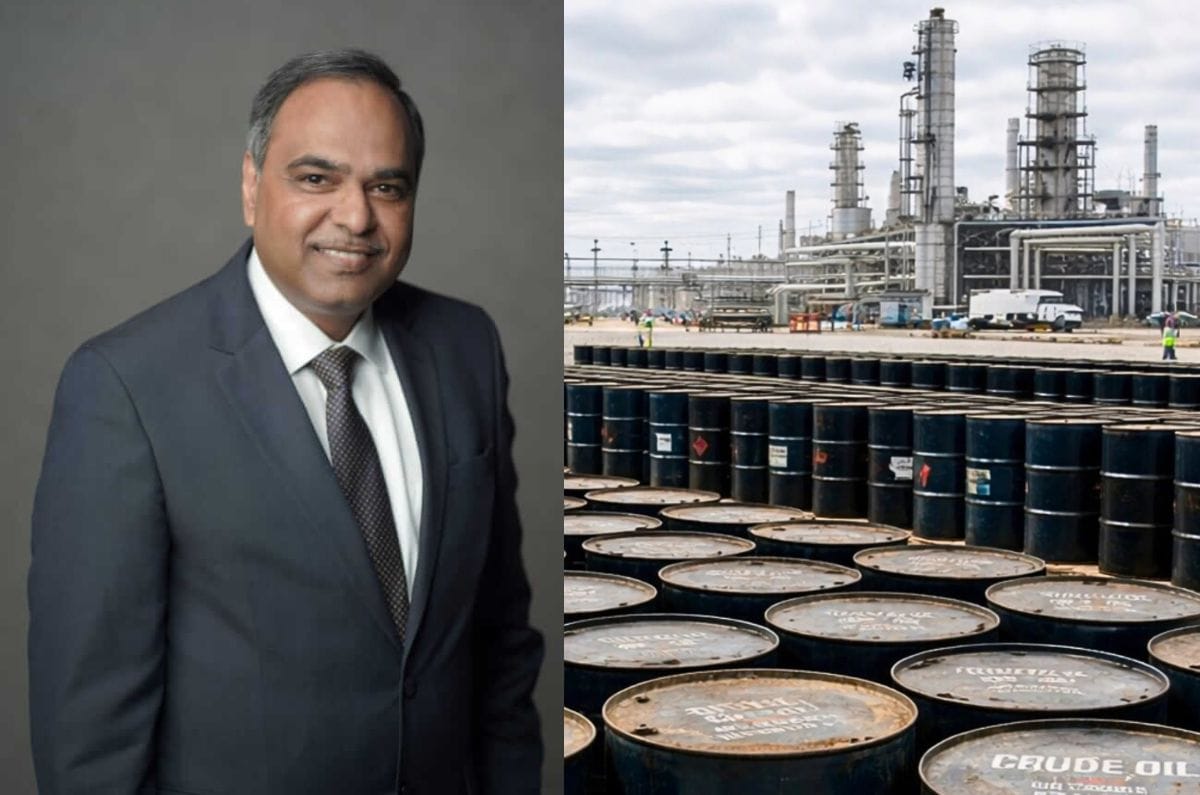
Shailesh Chandra, president of the Society of Indian Automobile Manufacturers (SIAM), articulated the industry’s concerns, stating, “If this crisis goes on for long, it will definitely be a significant headwind for growth.” The remarks were made in an interview with Autocar Professional, highlighting the sector’s vulnerability to extended geopolitical instability.
Disrupted Shipping Routes and Supply Chain Vulnerabilities
A primary consequence of the escalating conflict has been the closure of the Strait of Hormuz, a critical chokepoint for global maritime trade. This disruption has immediate repercussions on international shipping lines, contributing to market volatility and potential shortages of essential commodities like petroleum products and natural gas.
The Indian automotive industry’s reliance on Liquefied Petroleum Gas (LPG) for specific manufacturing processes has been brought into sharp focus by these supply chain disruptions. Chandra elaborated on this dependence, noting, “there is a dependence on LPG for certain processes in the auto industry, for example, painting or heat treatment.”
In response to these challenges, automakers are actively seeking strategies to reduce their consumption of LPG. This includes exploring innovative alternative solutions to achieve similar manufacturing outcomes without relying as heavily on the gas, a move aimed at building greater supply chain resilience.
Rising Freight Costs and Material Sourcing Concerns
The volatile situation surrounding the Strait of Hormuz has directly contributed to an overall increase in freight rates. Chandra confirmed that shipping routes have become longer, impacting both the import of necessary components and the export of finished vehicles from India.
“The shipping routes have become longer, not only to get parts that are imported but also parts and vehicles that have to be exported from India,” he explained. This extension of transit times translates into increased logistical costs for manufacturers and can affect delivery timelines.

The implications extend to the cost of components, particularly those derived from petroleum. Furthermore, the industry’s dependence on certain raw materials sourced from the Middle East, such as high-grade aluminum, is also contributing to rising input costs.
“There are definitely implications on the costs of components, especially for petroleum-based components and parts. But also because of materials like high-grade aluminium, where there is some dependence on the Middle Eastern countries,” Chandra highlighted.
Impact on Vehicle Pricing and Brand Strategies
The cumulative effect of these supply chain pressures and increased input costs is beginning to manifest in the pricing strategies of automotive brands operating in India. For companies that rely on imports for their entire vehicle portfolio, the impact is felt more acutely.
BYD India, for instance, has announced a price increase of up to 3 percent on its vehicles, effective May 1, 2026. This decision underscores the direct correlation between import costs and retail pricing in the Indian market.

Piyush Arora, MD and CEO of Skoda Auto Volkswagen India, indicated that similar price adjustments might be on the horizon for cars sold under the Volkswagen Group umbrella. He shared insights into the immediate effects observed, stating, “We have seen some impacts coming because of the conflict in the last few days, mainly because of supply-chain lead times, as well as some amount of shortages of oil-related by-products.”
Future Outlook for the Automotive Sector Amidst Geopolitical Uncertainty
The Middle East conflict, now in its seventh week since its official commencement, continues to be a subject of intermittent diplomatic negotiations. The resolution of this complex situation remains uncertain, with the potential for prolonged geopolitical instability.
Despite these external pressures, Chandra of SIAM expressed a cautiously optimistic view regarding the underlying market fundamentals. He emphasized that the core drivers of growth for the second half of FY2026 remain intact, supported by robust underlying demand.
“On a positive note, Chandra highlighted that the fundamental and underlying reasons behind the growth in the second half of FY2026 remain. Despite the precarious situation involving the Middle East conflict, there is sufficient demand,” he stated.
Arora of Skoda Auto Volkswagen India echoed this sentiment, expressing hope for a swift de-escalation. “The developments of the last few days show that there is hope that the conflict might get resolved sooner than later,” he commented, suggesting that a quicker resolution could mitigate further economic repercussions.
Anticipated Cost Pass-Through to Consumers
The prevailing market conditions strongly suggest that the increased input costs, driven by supply chain disruptions and material price fluctuations, will eventually be passed on to the end consumer. This trend is a common response in industries facing sustained rises in operational expenses.
Automakers will likely continue to monitor the situation closely, balancing the need to maintain competitive pricing with the imperative to absorb rising costs. The industry’s ability to navigate these challenges will be crucial in sustaining its growth trajectory in the coming months.
Frequently Asked Questions (FAQ)
What is the primary impact of the Middle East conflict on the Indian auto industry?
The conflict has caused significant logistical challenges, including disrupted shipping routes like the Strait of Hormuz, leading to higher freight costs and potential shortages of petroleum-based products and critical materials such as aluminum.
How is the Indian automotive sector adapting to LPG supply concerns?
Automakers are exploring ways to reduce their dependence on LPG for processes like painting and heat treatment, investigating alternative solutions to ensure manufacturing continuity despite potential supply volatility.
What is the direct effect of increased freight rates on automakers?
Longer shipping routes for both imported parts and exported vehicles increase overall logistics costs for Indian automakers, potentially affecting component costs and delivery schedules.
Which specific materials are seeing cost implications due to the conflict?
Costs are rising for petroleum-based components and parts. Additionally, there is increased dependence and potential cost impact on materials like high-grade aluminum, some of which is sourced from the Middle East.
Are price hikes expected for vehicles sold in India?
Yes, some brands are already implementing price increases, like BYD India. Companies like Skoda Auto Volkswagen India have indicated that they are observing impacts and may follow suit due to rising supply chain and input costs.
What is the overall sentiment regarding future growth in the Indian auto sector?
While the conflict presents a significant headwind, underlying demand remains strong. Industry leaders are cautiously optimistic that fundamental growth drivers are intact, pending a resolution to the geopolitical crisis.
When did the Middle East conflict begin, impacting these industries?
The Middle East conflict that has led to these industry challenges began on February 28, 2026.