
India’s PM E-Drive Scheme Gets Fresh EV Subsidy Boost in 2026
India’s electric vehicle revolution is accelerating at an unprecedented pace, and at the heart of this momentum is the PM Electric Drive Revolution in Innovative Vehicle Enhancement (PM E-Drive) scheme. As the existing incentive pool nears its target allocation for key segments, the Indian government is gearing up with a fresh subsidy push to sustain the nation’s EV adoption trajectory. Industry stakeholders and analysts are watching closely as this next phase of funding promises to bridge the gap left by the earlier FAME-II programme and take India’s green mobility ambitions to the next level.

What Is the PM E-Drive Scheme?
Launched on October 1, 2024, by the Ministry of Heavy Industries under the Union Cabinet chaired by Prime Minister Narendra Modi, the PM E-Drive scheme carries a total outlay of Rs 10,900 crore. It replaced FAME-II as India’s primary central demand-incentive programme for electric vehicles. The scheme covers electric two-wheelers (e-2Ws), electric three-wheelers (e-3Ws), e-ambulances, e-trucks, e-buses, public charging infrastructure, and testing agency upgradation.
The allocation breakdown is significant: Rs 1,772 crore for up to 24.79 lakh electric two-wheelers, Rs 4,391 crore for 14,028 electric buses, Rs 500 crore each for electric trucks and e-ambulances, and Rs 2,000 crore for building public EV charging infrastructure. An additional Rs 780 crore has been set aside for upgrading testing agencies.
One innovative feature of PM E-Drive is the introduction of e-Vouchers — Aadhaar FACE-authenticated digital vouchers generated at the point of EV purchase, giving buyers a seamless way to avail demand incentives without paperwork delays.
Fresh Subsidy Boost: What’s Changing in 2026?
As of May 2026, the scheme is at an inflection point. Reports from MSN and Firstpost confirm that India is preparing a fresh subsidy push for electric two-wheelers as PM E-Drive nears completion of its original targets. The government has already incentivised 18.40 lakh electric two-wheelers against a target of 24.79 lakh units, and the L5 electric three-wheeler sub-category was closed on December 26, 2025, having fully met its allocated volume of 2.88 lakh vehicles.
The Union Budget 2026-27 allocated Rs 1,500 crore specifically to PM E-Drive, up from the revised estimate of Rs 1,300 crore for FY26. Revised guidelines set clear eligibility deadlines: electric two-wheelers must be registered on or before July 31, 2026, to qualify for subsidies, while e-rickshaws and e-carts remain eligible until March 31, 2028. Vehicles must also meet ex-factory price caps — Rs 1.5 lakh for e-2Ws and Rs 2.5 lakh for e-3Ws.

Sector-Wide Impact: From Two-Wheelers to Buses
The PM E-Drive scheme’s sectoral breadth is one of its defining strengths. India’s electric two-wheeler market recorded 1.4 million units in FY2026 — a 22% year-on-year jump — fuelled by brands like Ola Electric, TVS, Ather Energy, and Bajaj Auto. The scheme’s subsidies have been a critical demand-side catalyst, making EVs price-competitive with petrol scooters in the sub-Rs 1.5 lakh segment.
On the commercial side, India’s electric bus adoption is projected to reach 35-40% of total bus purchases by FY2035, according to a KPMG report. PM E-Drive’s Rs 4,391 crore bus allocation — supporting 14,028 e-buses — is accelerating procurement by state transport undertakings. The PM e-Bus Sewa Payment Security Mechanism (PSM) provides payment security to operators in case of delays from public authorities.
For electric trucks, the Ministry of Heavy Industries tightened norms from September 2026, mandating domestic manufacturing of critical electronics under the scheme — aligned with Make in India and designed to build a local EV supply chain. Bihar became the latest state to approve its own EV policy in May 2026, targeting 30% EV sales by 2030 through purchase subsidies, road tax exemptions, and registration fee waivers.
Charging Infrastructure: The Backbone of EV Growth
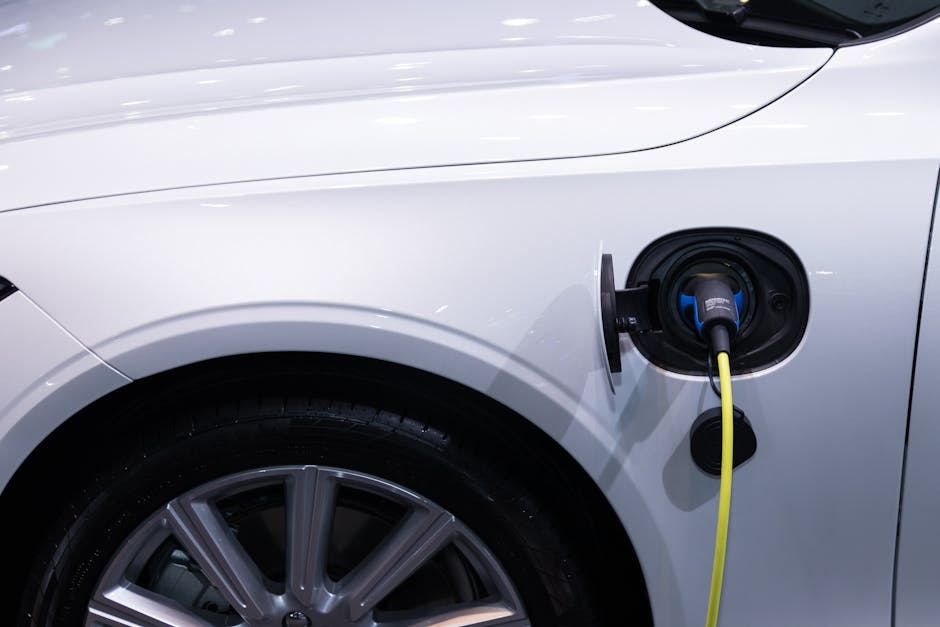
No EV subsidy scheme succeeds without a robust charging network, and PM E-Drive addresses this directly with a Rs 2,000 crore allocation for public EV charging infrastructure. The scheme targets 22,100 fast chargers for electric four-wheelers, 1,800 chargers for electric buses, and 48,400 chargers for two- and three-wheelers. As of mid-2026, guidelines have been issued, with incentive disbursals in the ramp-up phase.
The Delhi EV Policy 2026 draft — described by the International Council on Clean Transportation as a model for Indian states — has taken bold steps by mandating EV-only registration categories for certain vehicle types. Such policy layering, combining central subsidies with state mandates, is seen as the most effective recipe for mainstreaming EV adoption.
Conclusion: India’s EV Policy Momentum Is Unstoppable
India’s PM E-Drive scheme represents the country’s most comprehensive and financially significant push toward electric mobility. With Rs 10,900 crore in total outlay, fresh subsidy extensions for two-wheelers, a landmark e-bus programme, EV-linked manufacturing norms for trucks, and a massive charging infrastructure buildout, the scheme is firing on all cylinders. The fresh subsidy boost being planned for 2026 signals that the government is actively engineering the conditions for India to become one of the world’s largest EV markets by the end of the decade.
Frequently Asked Questions
Q1: What is the PM E-Drive scheme and how does it differ from FAME-II?
PM E-Drive (PM Electric Drive Revolution in Innovative Vehicle Enhancement) is the successor to FAME-II, launched October 1, 2024 with a Rs 10,900 crore outlay. Unlike FAME-II, it covers e-trucks, e-ambulances, charging infrastructure, and introduces Aadhaar-linked e-Vouchers for demand incentives.
Q2: Who is eligible for subsidies under PM E-Drive in 2026?
Electric two-wheelers registered on or before July 31, 2026 with ex-factory price up to Rs 1.5 lakh are eligible. E-rickshaws and e-carts registered until March 31, 2028 with prices up to Rs 2.5 lakh also qualify. Vehicles must be fitted with advanced batteries.
Q3: How much subsidy can an electric two-wheeler buyer get under PM E-Drive?
The subsidy is disbursed directly to OEMs who reduce the ex-showroom price for buyers. Combined with state-level incentives such as road tax exemptions and registration fee waivers, total savings can range from Rs 15,000 to over Rs 50,000 depending on the state and vehicle model.